

Table of Contents
If you’ve been researching weight loss, you’ve probably seen peptides and GLP-1 medications mentioned everywhere from medical articles to social media. What is often missing is a clear explanation of which peptide-based treatments have evidence behind them, how they work, and what risks or limitations you should know about. This guide explains the science, commonly discussed treatments, benefits, safety considerations, and practical next steps in plain language.
Key Takeaways
- Peptide-based treatments include medicines that influence biological signals involved in appetite, satiety, glucose regulation, or metabolism.
- GLP-1-related medicines can reduce appetite and food intake and may produce clinically meaningful weight loss in appropriate patients.
- Prescription treatments differ substantially from research peptides because approval, manufacturing standards, clinical evidence, and safety monitoring can differ.
- Side effects are possible, and peptide-based treatments are not appropriate for everyone.
- Long-term weight management combines appropriate medical treatment with nutrition, physical activity, behavioral strategies, and follow-up.
- Clinical evidence and regulatory approval are more reliable than social-media testimonials or aggressive marketing claims.
- Medical guidance matters when evaluating prescription weight-loss treatments or any peptide-based product.
What Are Peptides for Weight Loss?
Peptides for weight loss are peptide-based medicines or compounds that influence biological signals involved in appetite, satiety, glucose regulation, or metabolism. Some peptides occur naturally in the body, while others are medicines designed to mimic or modify these biological signals.
First, it is important to understand that “peptide” does not automatically mean “weight-loss medication.” A product can be marketed online as a peptide while having little or no reliable evidence for treating obesity.
For example, semaglutide is a GLP-1 receptor agonist used in FDA-approved medicines, while research compounds such as retatrutide are not interchangeable with approved medications. The FDA specifically warns consumers against purchasing unapproved products marketed as research or “not for human consumption” drugs. (U.S. Food and Drug Administration)
Moreover, prescription peptide-based medicines are evaluated differently from products sold through unverified websites. FDA-approved medicines undergo regulatory review for safety, effectiveness, quality, labeling, and manufacturing standards.
Peptides for weight loss are not one single category of treatment; their evidence and regulatory status depend on the specific compound.
Why Do Peptides Matter for Weight Loss?
Peptide-based weight-loss medicines matter because some can influence appetite, fullness, food intake, blood glucose, and other metabolic processes. These effects can make it easier for appropriate patients to maintain a lower calorie intake while following a broader weight-management plan.
First, modern obesity treatment increasingly recognizes obesity as a chronic health condition rather than simply a matter of willpower. The NIDDK states that prescription weight-management medications may be considered for adults with a BMI of 30 or higher, or a BMI of 27 or higher with weight-related health problems. (NIDDK)
For example, clinical trials have demonstrated substantial average weight reductions with semaglutide and tirzepatide in adults with overweight or obesity. In the STEP 1 trial, participants receiving weekly semaglutide lost an average of 14.9% of body weight at 68 weeks, compared with 2.4% with placebo. — Source: [New England Journal of Medicine, 2021] (New England Journal of Medicine)
Similarly, the SURMOUNT-1 trial found average weight reductions of 15.0%, 19.5%, and 20.9% at 72 weeks with different tirzepatide doses, compared with 3.1% with placebo. — Source: [New England Journal of Medicine, 2022] (New England Journal of Medicine)
The effectiveness of a peptide-based weight-loss treatment depends on the specific medication, the patient’s health history, the treatment plan, and ongoing medical monitoring.
How Do Peptides Help With Weight Loss?
Peptides help with weight loss by influencing biological pathways that regulate hunger, fullness, food intake, and metabolism. The most established examples include medicines that activate GLP-1 receptors, while tirzepatide activates both GIP and GLP-1 receptors.
How Do GLP-1 Peptides Affect Appetite and Body Weight?
GLP-1 receptor agonists promote weight loss primarily by increasing feelings of fullness, reducing appetite and food intake, and influencing glucose regulation. GLP-1 is a naturally occurring hormone involved in communication between the digestive system, pancreas, and brain.
First, GLP-1 receptor activation can affect appetite-regulating areas of the brain. For example, a person taking an approved GLP-1 medicine may feel satisfied after eating less food than before.
Second, some GLP-1 medicines also slow stomach emptying. This can contribute to prolonged feelings of fullness, although the overall effects vary between medicines and individuals.
The NIDDK explains that semaglutide mimics GLP-1 and targets areas of the brain involved in appetite and food intake. Tirzepatide mimics both GIP and GLP-1 to influence appetite and food intake. (NIDDK)
How Does Tirzepatide Differ From Semaglutide?
Tirzepatide differs from semaglutide because tirzepatide activates two hormonal pathways, GIP and GLP-1, while semaglutide primarily activates the GLP-1 receptor.
| Treatment | Main pathway | Weight-management status | Key consideration |
|---|---|---|---|
| Semaglutide | GLP-1 receptor | FDA-approved for chronic weight management under Wegovy | Appetite and food intake reduction |
| Tirzepatide | GIP + GLP-1 receptors | FDA-approved for chronic weight management under Zepbound | Dual metabolic signaling |
| Liraglutide | GLP-1 receptor | FDA-approved for weight management under Saxenda | Daily injection |
| Retatrutide | GIP + GLP-1 + glucagon receptors | Investigational | Not an FDA-approved weight-loss medicine |
The FDA approved Zepbound for chronic weight management in adults with obesity or overweight plus at least one weight-related condition, alongside a reduced-calorie diet and increased physical activity. (U.S. Food and Drug Administration)
If you’re looking for an additional wellness product to complement a balanced diet and active lifestyle, you can explore Nuraville Volca Burn. Review the ingredients, product details, and directions carefully before deciding if it fits your personal weight-management routine.
Which Peptides Are Used for Weight Loss?
Several peptide-based medicines are used or studied for weight management, but approved medications should be separated from investigational compounds and unapproved products.
What Prescription Peptides Are Used for Weight Loss?
Prescription peptide-based weight-management medicines include semaglutide, tirzepatide, and liraglutide, depending on the patient’s age, health status, indication, and country.
Semaglutide is the active ingredient in Wegovy, while tirzepatide is the active ingredient in Zepbound. Liraglutide is the active ingredient in Saxenda. These medicines have regulatory approval for specific weight-management indications. (NIDDK)
For example, NIDDK lists semaglutide and tirzepatide among FDA-approved medications for long-term weight management. — Source: [National Institute of Diabetes and Digestive and Kidney Diseases, 2026] (NIDDK)
Are Peptides for Weight Loss FDA Approved?
Some peptide-based medicines are FDA approved for weight management, but not every product described as a weight-loss peptide is FDA approved.
First, FDA approval applies to a specific medicine, formulation, indication, and labeling. It does not automatically apply to every product containing a similar ingredient.
Second, research compounds should not be treated as approved medicines. The FDA currently warns that products containing compounds such as retatrutide may be marketed illegally as research products for human use. (U.S. Food and Drug Administration)
Prescription weight-loss medications should be distinguished from unapproved research peptides because regulatory approval, manufacturing standards, clinical evidence, and safety monitoring can differ substantially.
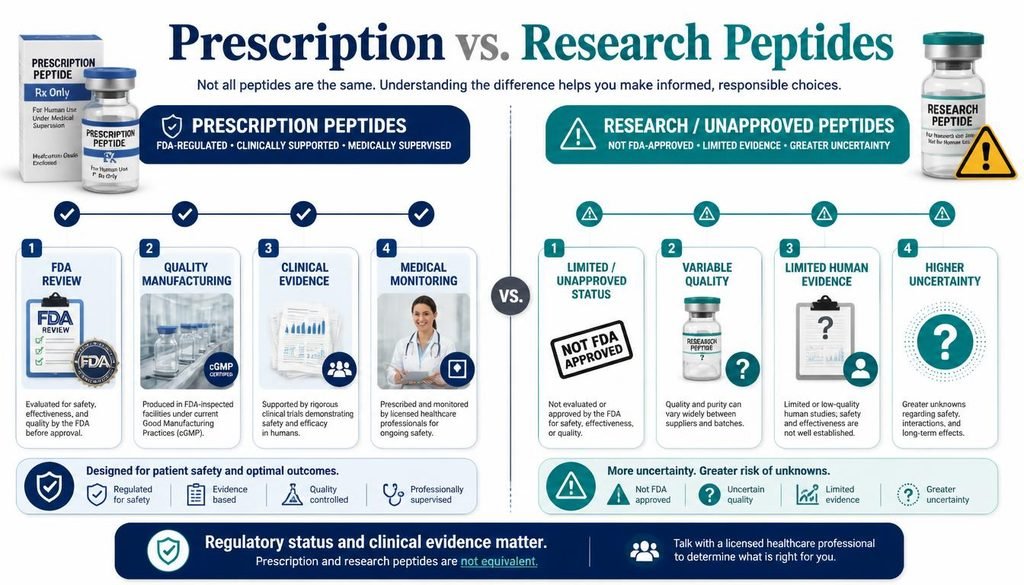
What Is the Difference Between Prescription Peptides and Research Peptides?
Prescription peptides are medicines evaluated and authorized for specific medical uses, while research peptides may lack the regulatory approval and human safety evidence required for routine treatment.
First, an FDA-approved medicine has passed a regulatory evaluation based on available evidence. By contrast, a product labeled “research use only” may not have been evaluated as a safe and effective treatment for humans.
For example, the FDA warns that some unapproved semaglutide, tirzepatide, retatrutide, survodutide, and mazdutide products have been falsely labeled for research purposes while being marketed directly to consumers. (U.S. Food and Drug Administration)
Moreover, compounded medicines require special caution. The FDA explains that compounded drugs are not FDA approved and do not undergo the same premarket review for safety, effectiveness, and quality as approved drugs. (U.S. Food and Drug Administration)
A peptide’s name, popularity, or online availability does not establish that it is safe or effective for weight loss.
How Much Weight Can You Lose With Peptide-Based Treatment?
Weight loss with peptide-based treatment varies by medication, dose, duration, lifestyle factors, and individual response. Clinical trials show that some approved medicines can produce substantially more weight loss than lifestyle intervention alone, but trial averages should not be treated as personal guarantees.
First, semaglutide produced an average 14.9% body-weight reduction after 68 weeks in the STEP 1 trial. The placebo group lost 2.4% on average. — Source: [New England Journal of Medicine, 2021] (New England Journal of Medicine)
Second, tirzepatide produced average reductions ranging from 15.0% to 20.9% after 72 weeks in SURMOUNT-1, depending on the treatment group. — Source: [New England Journal of Medicine, 2022] (New England Journal of Medicine)
At the same time, these numbers came from controlled clinical trials involving specific populations and treatment protocols. Your results may be substantially different.
What Are the Common Side Effects of Weight-Loss Peptides?
The most common side effects of many GLP-1 and related weight-loss medicines are gastrointestinal symptoms such as nausea, diarrhea, vomiting, constipation, and abdominal discomfort.
First, gastrointestinal effects are particularly common when treatment is started or doses are increased. In the semaglutide STEP 1 trial, nausea and diarrhea were among the most common adverse events. (New England Journal of Medicine)
Second, tirzepatide’s most common adverse events in SURMOUNT-1 were also gastrointestinal and were generally mild to moderate, particularly during dose escalation. (New England Journal of Medicine)
However, serious risks can also exist. FDA information for Wegovy includes warnings concerning pancreatitis, gallbladder disease, kidney injury, hypersensitivity reactions, diabetic retinopathy complications, and other potential risks. (U.S. Food and Drug Administration)
Zepbound also carries important warnings, including a boxed warning concerning thyroid C-cell tumors observed in rats and contraindication for people with a personal or family history of medullary thyroid carcinoma or MEN2. (U.S. Food and Drug Administration)
Potential benefits must always be weighed against the specific risks and medical history of the individual patient.
Who Should Not Use Peptide-Based Weight-Loss Treatments?
People with certain medical conditions, medication interactions, allergies, or pregnancy-related considerations may not be appropriate candidates for weight-loss medicines.
First, people who are pregnant or planning pregnancy should discuss weight-management treatment with a healthcare professional because weight-loss medications are generally not recommended during pregnancy. (NIDDK)
Second, medicines such as semaglutide and tirzepatide have specific contraindications involving a personal or family history of medullary thyroid carcinoma or Multiple Endocrine Neoplasia syndrome type 2. (U.S. Food and Drug Administration)
For example, someone with a complicated medical history may require medication review, laboratory testing, or evaluation of other causes of weight gain before treatment begins.
A higher BMI alone does not determine whether a particular peptide-based medicine is appropriate.
Are Peptides a Safe and Effective Long-Term Weight-Loss Option?
Peptide-based treatments can be effective long-term options for appropriately selected patients, but they require ongoing evaluation rather than one-time use.
First, NIDDK explains that weight-management medications work best when combined with healthy eating and physical activity rather than replacing those behaviors. (NIDDK)
Second, stopping treatment can lead to some weight regain. This is important because obesity is considered a chronic disease, meaning long-term management may be necessary for some people. (NIDDK)
For example, someone using medication may benefit from combining treatment with high-protein foods for weight loss, resistance training, adequate sleep, and sustainable eating habits.
If you’re looking for an additional wellness product to complement a balanced diet and active lifestyle, you can explore Nuraville Volca Burn. Review the ingredients, product details, and directions carefully before deciding if it fits your personal weight-management routine.
How Are Peptide-Based Weight-Loss Treatments Evaluated?
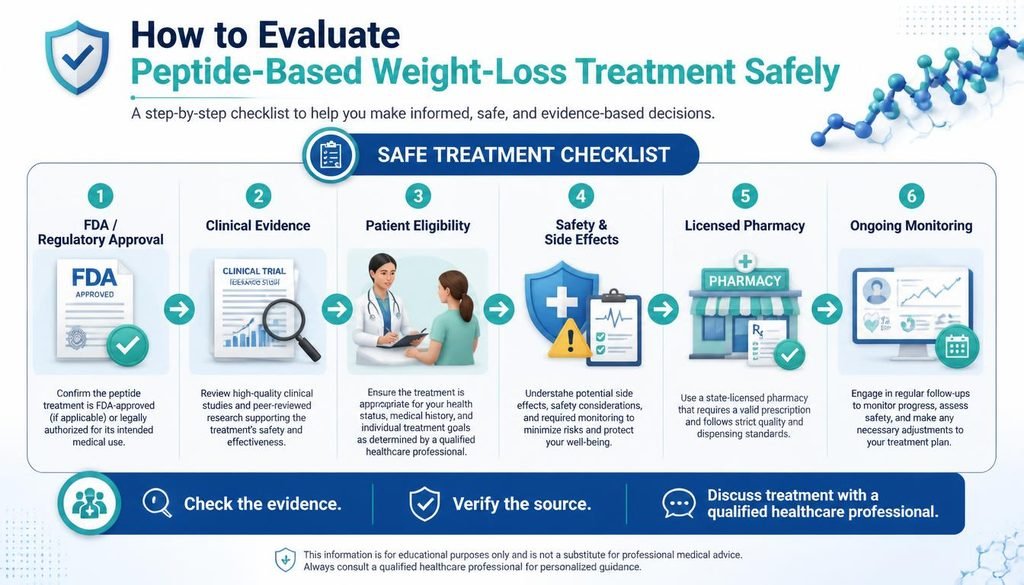
Peptide-based weight-loss treatments should be evaluated by examining clinical evidence, regulatory approval, safety information, patient eligibility, and the quality of the medication source.
First, ask whether the specific medicine is approved for the intended use. An approved indication provides a much stronger evidence base than a social-media claim or seller testimonial.
Second, review the clinical evidence. Randomized controlled trials provide useful information about average weight loss, adverse events, and how a medicine compares with placebo.
Third, consider your individual health profile. NIDDK recommends that medication selection consider expected benefits, side effects, existing health conditions, other medicines, family history, and cost. (NIDDK)
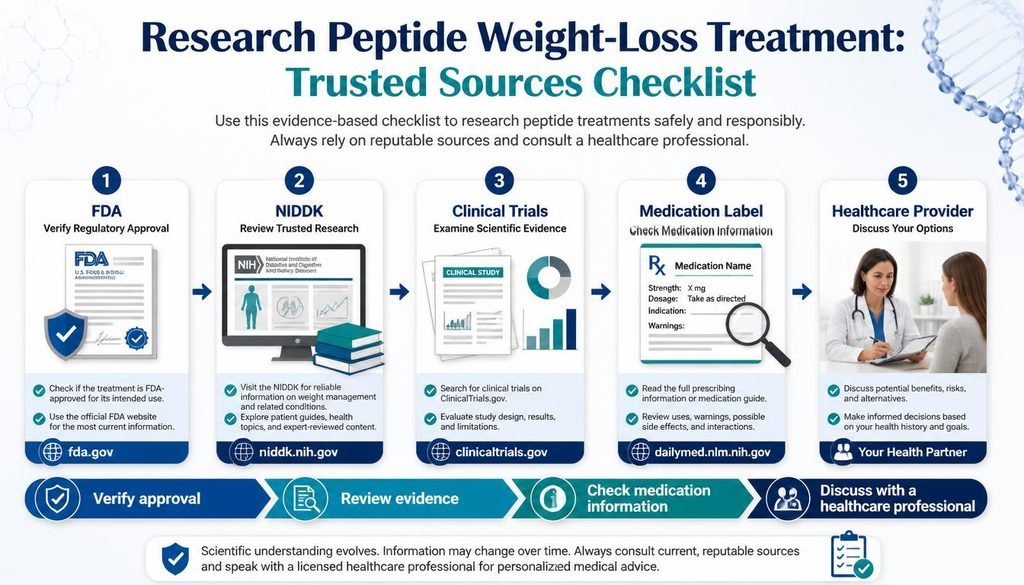
Finally, verify the source of the medicine. The FDA recommends obtaining prescription medicines through a healthcare provider and state-licensed pharmacy and warns consumers about unapproved GLP-1 products. (U.S. Food and Drug Administration)
What Tools Can Help You Evaluate Weight-Loss Treatment?
Medical decision-making tools can help organize information, but they cannot replace a qualified healthcare professional’s assessment.
First, a BMI calculator can provide a basic starting point for understanding weight status. NIDDK notes that healthcare professionals commonly use BMI alongside other information when considering weight-management treatment. (NIDDK)
Second, a medication and symptom tracker can help you record changes over time. Useful information may include body weight, appetite, gastrointestinal symptoms, physical activity, and questions for your next medical appointment.
Third, use authoritative sources rather than social-media posts when researching medication safety. FDA and NIDDK provide patient-focused information about approved treatments, eligibility, risks, and monitoring.
How Should Someone Approach Peptide-Based Weight Loss Safely?
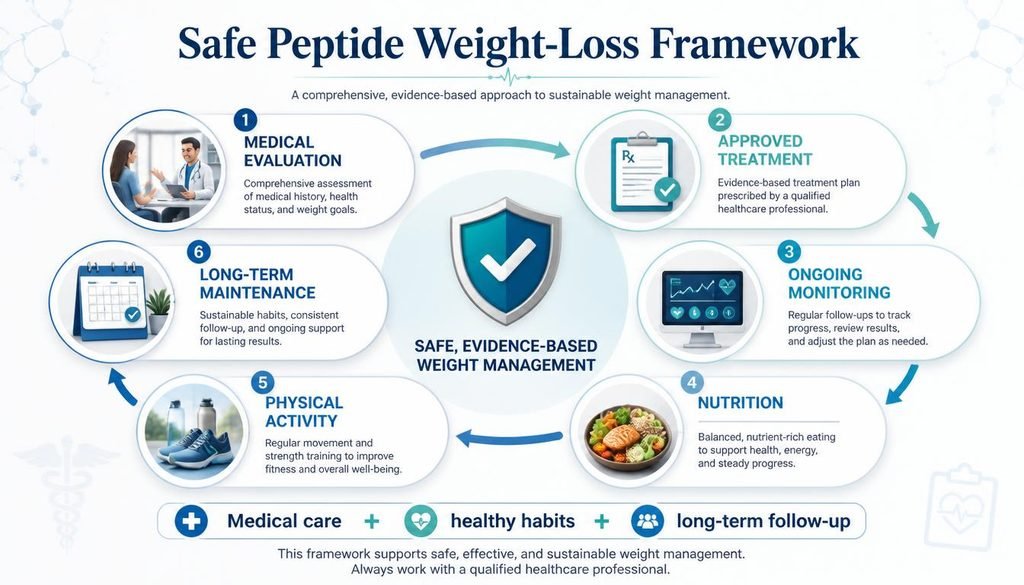
A safe approach to peptide-based weight loss starts with medical evaluation, evidence-based treatment selection, and ongoing monitoring.
First, talk with a qualified healthcare professional before starting a prescription weight-loss medication. Discuss your medical history, current medications, allergies, previous weight-loss attempts, and treatment goals.
Second, verify the medication and pharmacy. Avoid products sold as “research peptides,” products without appropriate labeling, or medicines purchased from questionable websites.
Third, understand that compounded products require additional caution. FDA reports concerns involving dosing errors and adverse events associated with compounded injectable semaglutide and tirzepatide. (U.S. Food and Drug Administration)
Fourth, build a lifestyle foundation around the medication. A balanced diet, sufficient protein, regular physical activity, sleep, and behavioral support can help make weight management more sustainable.
What’s Next for Peptide-Based Weight Management?
The future of peptide-based weight management is moving toward treatments that target multiple biological pathways and potentially improve both weight loss and long-term metabolic health.
First, researchers are studying multi-receptor medicines and new combinations. NIDDK notes that future obesity medicines may regulate several gut hormones simultaneously and explore approaches designed to preserve muscle while reducing body fat. (NIDDK)
Second, researchers continue to investigate compounds that target pathways beyond traditional GLP-1 signaling. However, investigational status should not be confused with established clinical treatment.
For example, retatrutide has attracted substantial research interest because it targets GIP, GLP-1, and glucagon receptors, but the FDA states that it is not an approved component of an FDA-approved medicine and has warned about unapproved products containing it. (U.S. Food and Drug Administration)
The future of obesity treatment may involve increasingly targeted medicines, but clinical evidence and regulatory review remain essential.
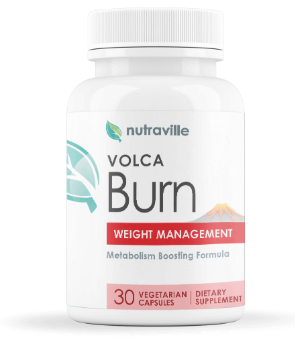
If you’re looking for an additional wellness product to complement a balanced diet and active lifestyle, you can explore Nuraville Volca Burn. Review the ingredients, product details, and directions carefully before deciding if it fits your personal weight-management routine.
Conclusion
Peptides for weight loss can include highly effective prescription medicines that influence appetite, fullness, food intake, and metabolic signaling. However, “peptide” is not a guarantee of safety, effectiveness, or regulatory approval.
First, medications such as semaglutide and tirzepatide have strong clinical evidence for weight management in appropriate patients. Clinical trials have demonstrated substantial average weight reductions, although individual outcomes vary. (New England Journal of Medicine)
Second, prescription treatments should be separated from unapproved research peptides and questionable online products. The FDA specifically warns about unapproved GLP-1 products and recommends working with healthcare professionals and legitimate pharmacies. (U.S. Food and Drug Administration)
Finally, evidence-based weight management is broader than medication alone. Combining appropriate medical treatment with nutrition, physical activity, behavioral strategies, and long-term follow-up provides a more complete approach to sustainable weight management.
If you are considering a peptide-based treatment, use the evidence—not social-media hype—to guide the conversation with your healthcare professional.
Written by myserioi.com Editorial Team — Health & Wellness Content Team at MySerioi.com
Reviewed by Qualified healthcare professional — Medical review should be completed before publication to verify treatment indications, safety information, and regulatory status.
Disclaimer: This article was initially drafted using AI assistance. However, the content has undergone thorough revisions, editing, and fact-checking by human editors and subject matter experts to ensure accuracy. This article is for educational purposes only and does not provide individualized medical advice, diagnosis, or treatment recommendations.
Affiliate Disclosure: This article may contain affiliate links. If you purchase a product through a link on this page, we may earn a commission at no additional cost to you. We only recommend products that we believe may be useful to our readers. Always review product information and consult a qualified healthcare professional when appropriate.