
Table of Contents
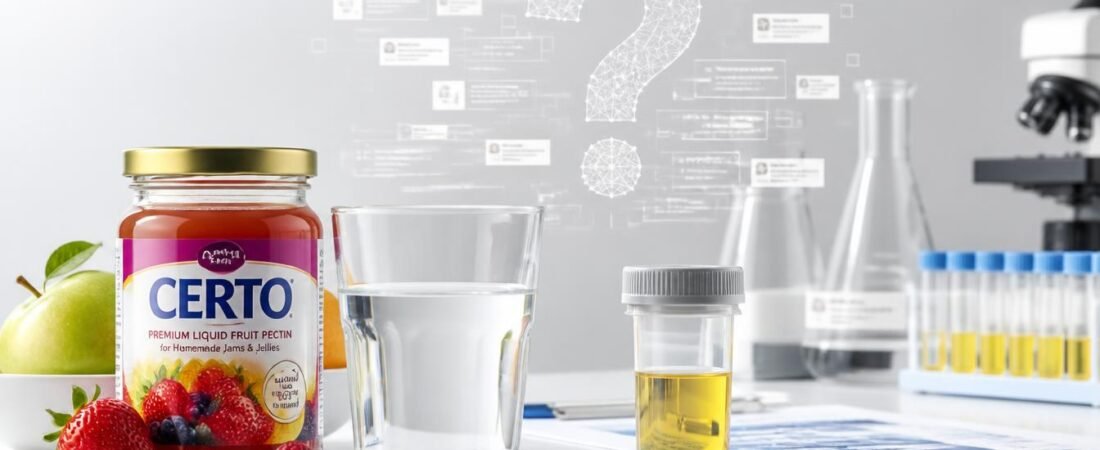
If you have searched for a quick way to “detox” before a urine drug test, you have probably already seen Certo mentioned alongside fruit pectin and sports drinks. However, online popularity can make an unproven claim sound like established science. In this guide, we’ll explain what Certo detox actually means, what evidence supports, why results are unreliable, and what you should realistically know before trusting the claim.
Key Takeaways
- Certo detox refers to an internet-promoted method involving fruit pectin, not a clinically established drug-detoxification treatment.
- Certo is primarily a fruit-pectin food product used to make jams, jellies, and marmalades.
- Scientific evidence does not establish Certo as a reliable method for removing or masking drug metabolites in urine.
- Drug-test results depend on multiple factors, including the substance, frequency of use, metabolism, hydration, and testing method.
- Excessive fluid intake can dilute urine, potentially producing a specimen that laboratories classify as dilute or otherwise questionable.
- Anecdotal reports do not prove causation, because a person may have been below a testing threshold for other reasons.
- Evidence-based information and professional guidance are more reliable than viral detox hacks.
What Is the Certo Detox Method?
Certo detox is an internet-promoted method that uses fruit pectin with the claim that it can influence the results of a drug test. The term does not describe an approved medical detoxification treatment. Instead, it refers to an online theory surrounding Certo or similar liquid fruit-pectin products.
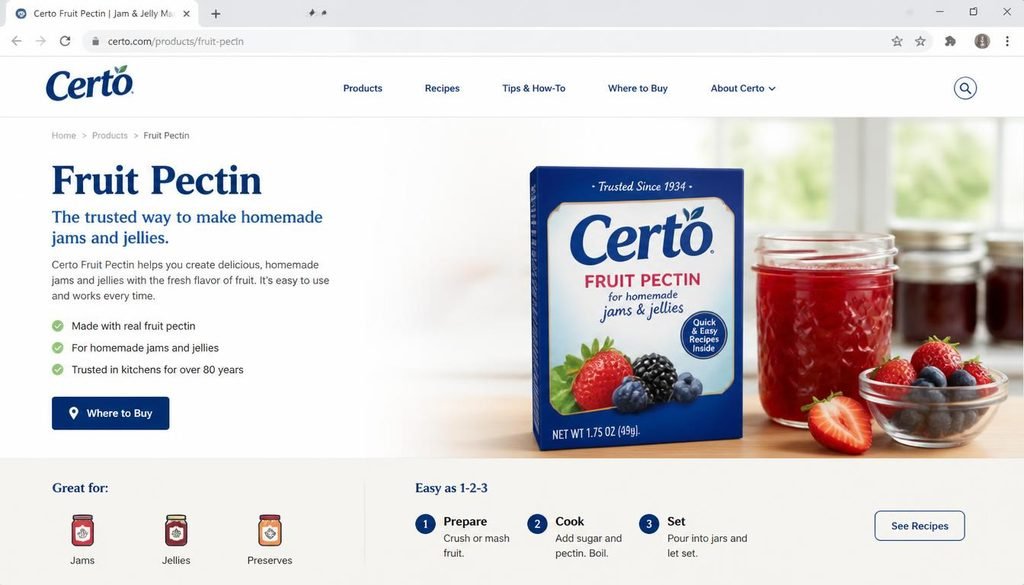
First, Certo itself is a liquid pectin product traditionally used for food preparation. The manufacturer describes Certo as pectin derived from fruit sources and intended to help jams and jellies set properly. (certo.co.uk)
For example, a person making homemade jam may use liquid pectin to improve the final texture. That normal food use is completely different from the internet claim that pectin can change drug-test results.
What Is Certo and What Is It Normally Used For?
Certo is a soluble fruit-pectin product primarily used as a gelling agent in jams and jellies. Official product information identifies fruit pectin as its key functional ingredient. (certo.co.uk)
Moreover, the product is not marketed by its manufacturer as a drug-detoxification treatment. Certo’s official information focuses on food preparation, including jams, jellies, marmalades, recipes, and pectin use. (certo.co.uk)
This distinction is important because a food ingredient can have legitimate nutritional or culinary properties without being a validated medical treatment. The existence of pectin’s effects in digestion does not automatically demonstrate that it can remove drug metabolites from urine.
Why Does Certo Detox Matter?
Certo detox matters because people may mistake an internet anecdote for a scientifically validated way to influence a drug test. That misunderstanding can create false confidence when someone is facing an important screening.
First, drug testing programs are designed to identify specific substances or their metabolites using defined laboratory procedures. SAMHSA explains that workplace testing can involve urine or oral-fluid testing and that federal urine programs include specimen-validity testing. (SAMHSA)
For example, a urine specimen is not necessarily judged only on whether a target drug marker is detected. Laboratories can also evaluate whether the specimen has characteristics suggesting dilution, substitution, or interference.
Popularity is not evidence of effectiveness. A claim can be repeated thousands of times online without being supported by controlled clinical research.
If you’re looking for an additional wellness product to complement a balanced diet and active lifestyle, you can explore Nuraville Volca Burn. Review the ingredients, product details, and directions carefully before deciding if it fits your personal weight-management routine.
How Is the Certo Detox Method Supposed to Work?
The proposed Certo detox mechanism is a theory that fruit pectin might alter how certain compounds move through the digestive system, but this has not been established as a dependable drug-testing mechanism.
First, online explanations often focus on the fact that pectin is a type of soluble fiber. From that observation, some claims suggest that pectin could somehow affect the movement or elimination of drug metabolites.
However, a plausible biological idea is not the same as demonstrated clinical effectiveness. Evidence that fiber interacts with substances in the digestive tract does not establish that consuming Certo can reliably reduce drug metabolites in a urine specimen.
Why Does the Theory Sound Convincing?
The Certo theory sounds convincing because it connects a real property of pectin with an unproven conclusion about drug testing. This is a common pattern in viral health claims.
For example, pectin is genuinely a soluble fiber, and some substances are processed through the gastrointestinal system. But the additional claim—that consuming pectin can reliably prevent enough drug metabolites from reaching urine to change a laboratory result—requires direct evidence.
That evidence is the missing piece.
Does Certo Detox Actually Work for a Urine Drug Test?
There is no reliable clinical evidence demonstrating that Certo can consistently remove or mask drug metabolites in urine. Current online discussions largely rely on anecdotal experiences rather than controlled clinical trials. (Secret Nature)
First, a person reporting a negative test after using Certo does not establish that Certo caused the result. The person may already have had metabolite concentrations below the relevant cutoff, may have used the substance infrequently, or may have experienced changes unrelated to pectin.
Second, no single anecdotal success can establish reliability. A dependable testing intervention would require controlled research comparing people who used the intervention with appropriate controls.
| Claim | What the evidence supports |
|---|---|
| Certo is a detox treatment | Not established |
| Certo removes drug metabolites | Not demonstrated reliably |
| Pectin can change drug-test outcomes | Insufficient evidence |
| Anecdotal “passes” prove effectiveness | No |
| Excessive fluid intake can dilute urine | Yes |
| Laboratories can identify questionable specimens | Yes |
Certo detox is an internet claim, not a clinically validated drug-test solution.
Is There Scientific Evidence That Certo Removes Drug Metabolites?
There is no established clinical evidence showing that Certo reliably removes drug metabolites from the body or consistently prevents their detection in urine. The official Certo product information describes its culinary purpose rather than drug detoxification. (certo.co.uk)
Moreover, drug metabolites are produced through the body’s normal processing of substances. Their presence in urine depends on biological processes that cannot be reliably overridden simply by consuming a food ingredient.
Anecdotal reports that someone passed a drug test after using Certo do not establish that Certo caused the negative result.
That distinction is essential for evaluating online health claims. A personal experience can be interesting, but it does not provide the same evidence as a controlled study.
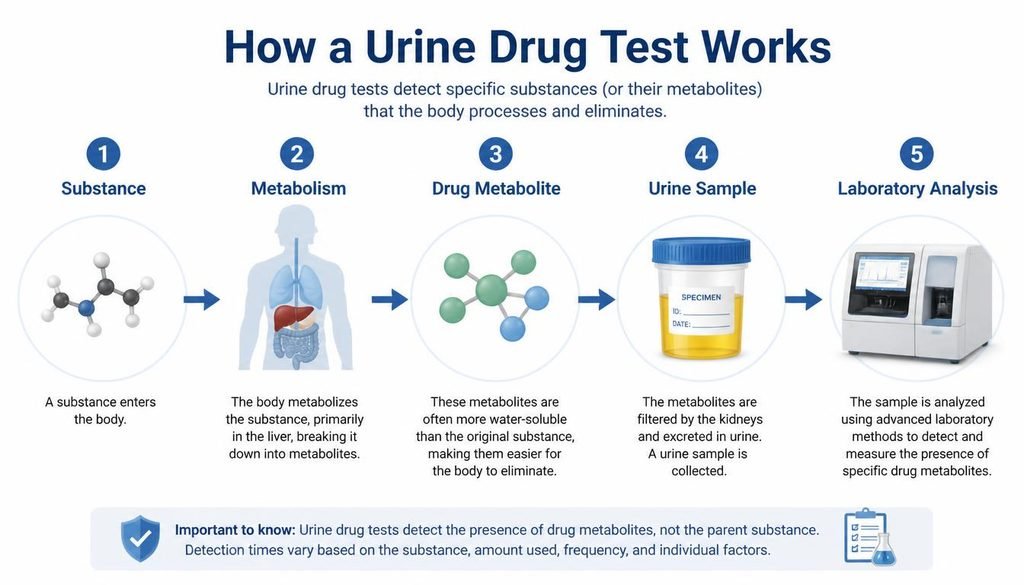
How Does a Urine Drug Test Detect Drug Metabolites?
A urine drug test detects specific drugs or their metabolites by comparing laboratory measurements with established testing criteria. Federal testing programs, for example, use defined analytes, cutoffs, and specimen-validity procedures. (SAMHSA)
First, the body metabolizes many substances into compounds that can later appear in urine. A laboratory can analyze the specimen for particular target compounds rather than simply asking whether a person has consumed something recently.
For example, federal workplace testing includes categories such as marijuana, cocaine, amphetamines, opioids, and PCP, with additional testing rules and specimen-validity requirements. (SAMHSA)
How Long Do Drug Metabolites Remain Detectable?
Drug-metabolite detection time varies according to the substance, frequency of use, individual biology, and testing method. There is no universal number of days that applies to every person.
For example, occasional and frequent use can produce very different detection patterns, particularly for substances that have metabolites with longer persistence.
At the same time, detection windows should not be treated as guaranteed pass-or-fail timelines. Individual metabolism, specimen characteristics, laboratory methods, and the specific substance all influence the result.
Can Drinking Large Amounts of Fluid Affect a Drug-Test Result?
Drinking unusually large amounts of fluid can dilute urine, but dilution does not reliably eliminate drug metabolites. SAMHSA specifically recognizes dilute urine specimens as a relevant testing outcome. (SAMHSA Library)
First, adding large amounts of water to the body can increase urine volume and reduce concentrations of various substances. However, laboratories can evaluate urine characteristics such as creatinine and specific gravity when determining whether a specimen is unusually dilute.
A controlled hydration study involving 498 urine specimens found that 55% of participants produced at least one dilute specimen during the first three hours of hydration — Source: Journal of Analytical Toxicology, 2002. (PubMed)
Therefore, dilution is not the same thing as detoxification. A diluted specimen may be reported as dilute or otherwise require additional action rather than simply being accepted as proof that metabolites are absent.
What Are the Risks of Relying on Certo Detox?
The biggest risk of relying on Certo detox is false confidence in an unproven method. Someone may assume the approach is dependable when the available evidence does not support that conclusion.
First, excessive fluid intake can create a dilute specimen. SAMHSA notes that a dilute urine sample can be either negative or positive depending on the degree of dilution and the amount of drug excreted. (SAMHSA Library)
Second, testing programs can identify specimens with abnormal characteristics. Current SAMHSA resources explain that federal urine programs include specimen-validity testing for characteristics associated with dilution, substitution, adulteration, or interference. (SAMHSA)
Other limitations include:
- Unpredictable results: Anecdotal success cannot guarantee another person’s result.
- False reassurance: A person may believe the underlying substance has been eliminated when it has not.
- Dilution concerns: Excessive fluid consumption can produce questionable specimens.
- Health concerns: Extreme attempts to manipulate hydration can be unsafe.
- Evidence limitations: The Certo claim lacks the type of controlled evidence needed to establish reliability.
If you’re looking for an additional wellness product to complement a balanced diet and active lifestyle, you can explore Nuraville Volca Burn. Review the ingredients, product details, and directions carefully before deciding if it fits your personal weight-management routine.
What Are the Best Practical Tools for Understanding Certo Detox Claims?
The most useful practical tools for evaluating Certo detox claims are authoritative product information, laboratory-testing guidance, and evidence-based health resources. These sources help separate what Certo actually does from what social media claims it does.
First, start with the manufacturer’s information to understand the intended purpose of Certo. The official Certo site describes it as liquid pectin used for jams, jellies, and marmalades. (certo.co.uk)
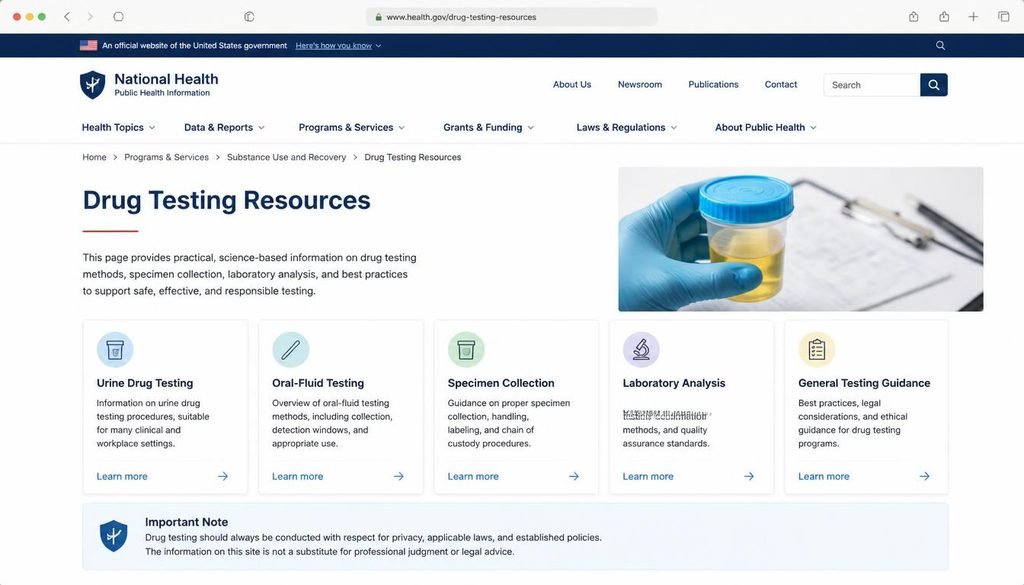
Next, consult authoritative drug-testing information. SAMHSA provides resources covering urine and oral-fluid testing and specimen-validity procedures. (SAMHSA)
Finally, compare claims against scientific evidence rather than testimonials. Free resources such as government health agencies, PubMed, and university medical libraries can provide a more reliable starting point than viral detox posts.
What Should You Do Instead of Relying on a Detox Hack?
The safest next step is to avoid treating Certo detox as a guaranteed solution and instead rely on accurate information about the testing process.
First, understand what type of test is involved and what the testing organization requires. Urine, oral fluid, blood, and hair tests use different biological specimens and have different detection characteristics.
Second, avoid extreme hydration or unverified products marketed as guaranteed detox solutions. A normal, balanced approach to hydration is safer than deliberately trying to manipulate urine concentration.
Third, if substance use is causing ongoing concerns, consider speaking confidentially with a qualified healthcare professional or substance-use specialist. Professional support can address the underlying issue rather than focusing only on a single test.
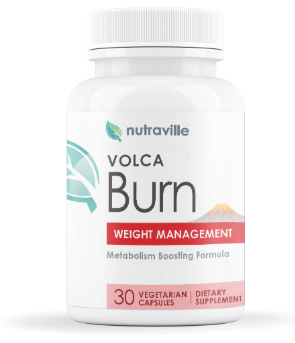
If you’re looking for an additional wellness product to complement a balanced diet and active lifestyle, you can explore Nuraville Volca Burn. Review the ingredients, product details, and directions carefully before deciding if it fits your personal weight-management routine.
Conclusion
Certo detox is an internet-promoted fruit-pectin claim, not a scientifically established method for eliminating or masking drug metabolites. Certo itself is primarily a culinary pectin product designed for making jams and similar foods. (certo.co.uk)
Moreover, there is no reliable clinical evidence demonstrating that Certo can consistently produce a negative urine drug test. Drug-test results depend on biological and testing factors, while excessive fluid intake can create dilute specimens that laboratories may identify. (SAMHSA)
Ultimately, online popularity does not turn a detox claim into scientific evidence. If you are researching Certo detox, the most reliable approach is to distinguish the actual properties of fruit pectin from the unsupported claims surrounding drug testing.
Written by myserioi.com Editorial Team — Health and wellness content team focused on evidence-based consumer education.
Reviewed by Qualified health-content reviewer — medical and health-information review.
Disclaimer: This article was initially drafted using AI assistance. However, the content has undergone thorough revisions, editing, and fact-checking by human editors and subject matter experts to ensure accuracy.
Affiliate Disclosure
This article may contain affiliate links. If you purchase a product through one of these links, we may earn a small commission at no additional cost to you. We only recommend products or services that we believe may be useful to our readers. Our opinions and recommendations remain independent, and purchasing through an affiliate link does not affect the price you pay.