
Table of Contents
Many people who wear glasses or contact lenses eventually wonder whether eye laser vision correction could reduce their dependence on them. However, understanding the procedure name alone is not enough—you also need to know how LASIK, PRK, and SMILE differ, who may qualify, what risks exist, and what recovery involves. In this guide, we’ll explain the key facts so you can have a more informed conversation with an eye-care professional.
Key Takeaways
- Laser vision correction uses surgical techniques to reshape the cornea and correct certain refractive errors.
- LASIK, PRK, and SMILE use different techniques and have different recovery considerations.
- Candidate suitability depends on prescription stability, corneal health, eye health, and individual medical history.
- Laser vision correction can reduce dependence on glasses or contacts, but it does not guarantee permanently perfect vision.
- Possible side effects include dry eyes, glare, halos, fluctuating vision, and other complications.
- Treatment costs vary according to the procedure, provider, location, technology, and services included.
- A comprehensive eye examination is essential before deciding whether laser vision correction is appropriate.
What Is Eye Laser Vision Correction?
Eye laser vision correction is a group of surgical procedures that reshape the cornea to correct certain refractive errors and reduce dependence on glasses or contact lenses. Refractive errors include nearsightedness, farsightedness, and astigmatism, which occur when the eye does not focus light correctly on the retina. (U.S. Food and Drug Administration)
Moreover, corneal reshaping changes the focusing power of the eye rather than simply placing an external lens in front of it. For example, LASIK uses a laser to reshape corneal tissue after creating a corneal flap, while PRK reshapes the cornea after removing its surface epithelial layer. (U.S. Food and Drug Administration)
As such, laser vision correction is elective refractive surgery, not a treatment that everyone needs. A person can have healthy eyes and still decide that glasses or contact lenses are preferable to surgery.
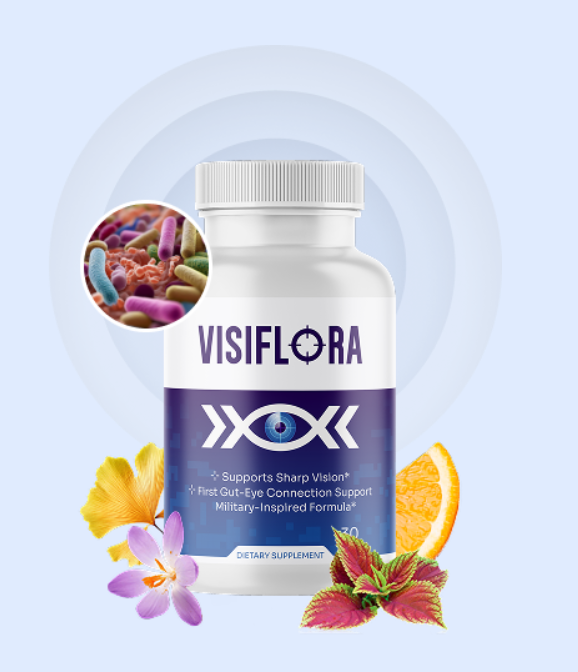
If you’re interested, you can learn more about VisiFlora and its ingredients >>>
Why Do People Choose Laser Vision Correction?
Laser vision correction matters because it can reduce a person’s dependence on glasses or contact lenses for suitable refractive errors. The FDA describes LASIK as a procedure intended to reduce dependency on corrective lenses rather than guaranteeing permanently perfect eyesight. (U.S. Food and Drug Administration)
For example, someone who regularly wears contact lenses for sports, work, or travel may prefer a surgical option after discussing the benefits and risks with an eye specialist. Similarly, someone who dislikes glasses may consider surgery for convenience.
At the same time, convenience should not be the only reason to have eye surgery. The FDA advises patients to consider individual risks, alternatives, expectations, and the experience of the surgeon rather than choosing a procedure simply because of advertising or price. (U.S. Food and Drug Administration)
What Are the Different Types of Laser Vision Correction?
Laser vision correction includes procedures such as LASIK, PRK, and SMILE, which differ mainly in how the surgeon accesses and reshapes corneal tissue. (U.S. Food and Drug Administration)
| Procedure | Basic technique | Recovery consideration | Common decision factor |
|---|---|---|---|
| LASIK | Creates a corneal flap and reshapes underlying tissue | Usually faster visual recovery | Suitable corneal anatomy and prescription |
| PRK | Removes the surface epithelium before laser reshaping | Slower initial recovery | May be considered when flap creation is undesirable |
| SMILE | Removes a small piece of corneal tissue through a small incision | Recovery differs from LASIK | Procedure-specific suitability |
The table provides a simplified overview; your eye examination determines which procedure, if any, is appropriate. FDA-approved devices also have specific treatment ranges and patient-selection requirements, so the availability and suitability of a procedure can differ between patients. (U.S. Food and Drug Administration)
How Does LASIK Eye Surgery Work?
LASIK eye surgery reshapes the cornea after a surgeon creates a flap and uses a computer-controlled laser to remove precisely targeted corneal tissue. The flap is then repositioned over the treated area. (U.S. Food and Drug Administration)
For example, the laser changes the shape of the cornea so incoming light can focus more appropriately on the retina. LASIK is commonly associated with relatively rapid visual recovery, although complete stabilization can take longer. (Mayo Clinic)
Moreover, LASIK is not appropriate for every cornea. Corneal thickness, eye health, prescription stability, tear production, and other factors must be evaluated before surgery. (U.S. Food and Drug Administration)
How Does PRK Eye Surgery Work?
PRK eye surgery reshapes the cornea with a laser after the thin surface epithelial layer is removed. Unlike LASIK, PRK does not create the same type of corneal flap. (U.S. Food and Drug Administration)
For example, the surface layer needs time to heal after PRK, so early discomfort and visual recovery can be different from LASIK. Mayo Clinic notes that pain after PRK commonly lasts several days and vision improves gradually. (Mayo Clinic)
Therefore, PRK can have a slower initial recovery than LASIK, but the choice should be based on your eye measurements and surgeon’s assessment rather than recovery speed alone.
How Does SMILE Eye Surgery Work?
SMILE, or small-incision lenticule extraction, uses a laser to create a small disc of corneal tissue called a lenticule, which the surgeon removes through a small incision. (Mayo Clinic)
For example, the technique accesses corneal tissue through a small incision rather than creating the traditional LASIK flap. However, SMILE is still refractive surgery and requires appropriate patient selection.
As such, SMILE, LASIK, and PRK should be viewed as different surgical approaches rather than simple versions of the same treatment. Your ophthalmologist can explain which option matches your prescription, corneal measurements, lifestyle, and risk profile.
Who Is a Good Candidate for Laser Vision Correction?
A good candidate for laser vision correction generally has suitable eye health, an appropriate prescription, adequate corneal characteristics, and a stable refractive prescription. However, only a comprehensive examination can determine individual candidacy. (U.S. Food and Drug Administration)
For example, FDA information states that LASIK is not approved for people younger than 18, while some approved devices specify additional prescription and stability requirements. One FDA approval updated in September 2026 specifies adults aged 18 or older and stable refraction over the preceding year for that particular device. (FDA Access Data)
Moreover, your doctor may evaluate:
- Prescription stability
- Corneal thickness and shape
- Tear production and dry-eye symptoms
- Existing eye disease
- Pupil size
- Previous eye surgery
- General medical conditions
- Current medications
- Lifestyle and occupational requirements
Eligibility is individualized rather than determined by age or prescription alone.
Who May Not Be a Good Candidate for Laser Eye Surgery?
Some people may face increased risks or may not be suitable candidates for laser eye surgery because of eye conditions, unstable prescriptions, healing concerns, or other individual factors. (U.S. Food and Drug Administration)
For example, the FDA identifies factors such as certain autoimmune conditions, diabetes, medications that affect healing, keratoconus, thin corneas, significant dry eye, and recent prescription changes as issues requiring careful evaluation. Contact-sport participation may also affect the risk discussion. (U.S. Food and Drug Administration)
In addition, pregnancy or breastfeeding and some medications can be associated with changes in vision or refractive stability. A temporary delay may sometimes be safer than proceeding before the eyes are stable.
What Are the Benefits of Laser Vision Correction?
The main benefit of laser vision correction is reduced dependence on glasses or contact lenses for suitable patients. The procedure can make everyday activities such as exercising, traveling, or working without corrective lenses more convenient. (U.S. Food and Drug Administration)
For example, a person who normally needs contact lenses for outdoor activities may find reduced dependence valuable after successful treatment. However, individual results vary, and some people may still need glasses for particular activities or later in life.
Furthermore, laser vision correction does not stop normal age-related changes in focusing ability. People who develop presbyopia may still need reading correction even if distance vision has been improved.
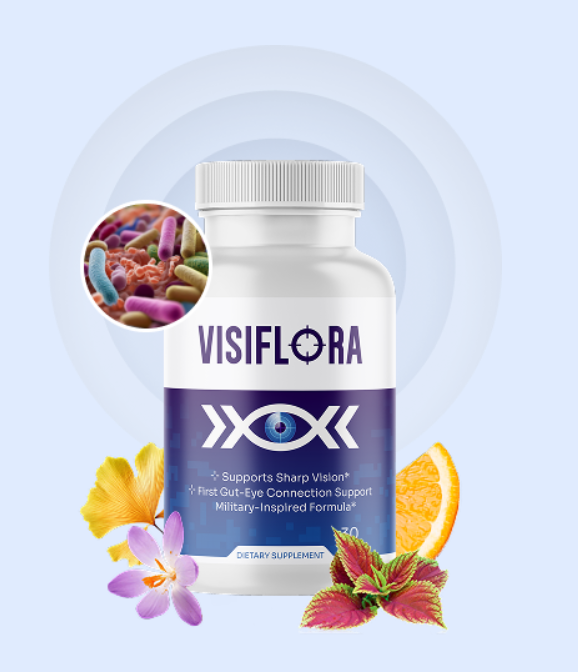
If you’re interested, you can learn more about VisiFlora and its ingredients>>>
What Are the Risks and Side Effects of Laser Eye Surgery?
Laser eye surgery carries potential risks that include dry eyes, glare, halos, double vision, fluctuating vision, undercorrection, overcorrection, and, in uncommon cases, more serious visual complications. (U.S. Food and Drug Administration)
For example, the FDA warns that some patients can experience significant glare, halos, or double vision that affects night vision, while some may continue to require glasses or contact lenses after surgery. (U.S. Food and Drug Administration)
Moreover, dry eye symptoms can occur after LASIK, and Mayo Clinic reports that tear production may decrease temporarily during healing. Some patients may require additional treatment if symptoms are significant. (Mayo Clinic)
A successful vision-chart result does not guarantee that every aspect of visual quality will feel identical to your pre-surgery vision. Low-light vision, contrast sensitivity, and night driving experience can differ after treatment.
The FDA also notes that some patients can experience loss of vision or complications that cannot be corrected completely with glasses, contact lenses, or additional surgery. (U.S. Food and Drug Administration)
What Is Recovery Like After Laser Vision Correction?
Recovery after laser vision correction varies by procedure, patient, and individual healing response. LASIK generally has faster early visual recovery, while PRK typically requires more surface healing before vision improves. (Mayo Clinic)
For example, Mayo Clinic reports that LASIK vision is generally good within a few days, although complete eye healing and stabilization can take 2 to 3 months. (Mayo Clinic)
During early recovery, your doctor may prescribe eye drops and recommend avoiding certain activities. Swimming, strenuous contact sports, eye makeup, and other activities may need to be restricted for a period determined by your surgeon. (Mayo Clinic)
A practical recovery sequence may include:
- Before surgery: Complete your eye examination and follow instructions about contact-lens use.
- Procedure day: Arrange transportation because vision may be blurry and medication may impair driving.
- Early recovery: Use prescribed medications or drops exactly as directed.
- Follow-up: Attend scheduled examinations so your doctor can assess healing.
- Activity progression: Resume exercise, swimming, cosmetics, and contact sports only when your eye-care professional says it is appropriate.
How Much Does Laser Vision Correction Cost?
Laser vision correction cost varies according to the procedure, surgeon, location, technology, prescription, facility, and services included in the treatment package. Most insurance plans generally consider refractive laser surgery elective, so patients should verify coverage before scheduling treatment. (Mayo Clinic)
For example, two clinics may advertise different prices because one includes consultations, follow-up examinations, medications, or potential enhancement care while another advertises only a starting procedure price.
Therefore, compare the total treatment cost rather than choosing a clinic based only on its lowest advertised price. Ask whether the quoted price includes both eyes, preoperative testing, postoperative visits, medications, enhancement policies, and management of complications.
The FDA specifically recommends that patients avoid making their decision based simply on cost and compare doctors, devices, risks, benefits, and follow-up care. (U.S. Food and Drug Administration)

What Questions Should You Ask Before Laser Eye Surgery?
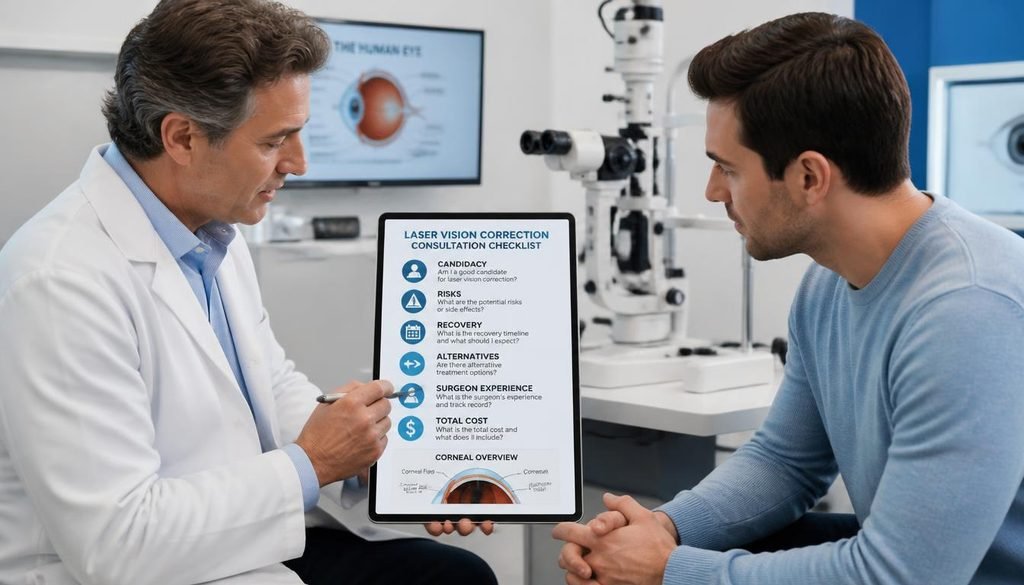
A LASIK consultation checklist helps you compare candidacy, expected results, risks, recovery, and total cost before making a decision. The FDA recommends discussing candidacy, risks, benefits, alternatives, expectations, and postoperative responsibilities with your doctor. (U.S. Food and Drug Administration)
Before choosing a provider, ask:
- Am I a suitable candidate, and why?
- Which procedure do you recommend: LASIK, PRK, SMILE, or another option?
- What are the main risks for my particular eyes?
- How stable has my prescription been?
- Do I have dry eye or corneal characteristics that increase risk?
- What visual result is realistic for me?
- Could I still need glasses or contact lenses?
- How long should I expect recovery to take?
- When can I return to work, exercise, swimming, and contact sports?
- What is the complete cost for both eyes?
- What happens if I need additional treatment?
- Who will provide my follow-up care?
- How experienced is the surgeon with the recommended procedure?
Is Laser Vision Correction Right for Everyone?
Laser vision correction is not right for everyone because eligibility depends on individual eye anatomy, prescription stability, eye health, medical history, lifestyle, and personal tolerance for surgical risk. (U.S. Food and Drug Administration)
For example, a person with significant dry eye or an unsuitable corneal structure may face a different risk profile from someone with stable vision and healthy corneas. The same procedure can therefore be reasonable for one patient and inappropriate for another.
At the same time, choosing not to have surgery is also a valid decision. Glasses, contact lenses, and other vision-correction approaches remain alternatives, and your eye-care professional can help you compare them.
eye health supplements → If you’re interested, you can learn more about VisiFlora and its ingredients>>>
What Are the Practical Steps Before Choosing Laser Vision Correction?
The practical approach to laser vision correction is to evaluate your eyes first, compare appropriate options second, and make a decision only after understanding the risks, benefits, alternatives, recovery, and complete cost.
A simple decision framework is:
- Book a comprehensive eye examination.
- Confirm whether your prescription and corneas are suitable.
- Discuss LASIK, PRK, SMILE, and non-surgical alternatives.
- Ask about personalized risks and realistic visual expectations.
- Compare surgeon experience and follow-up arrangements.
- Request the complete treatment price in writing.
- Take time to make an informed decision rather than responding to promotional pressure.
[Insert image: Decision flowchart showing eye examination → candidacy assessment → procedure comparison → risk discussion → cost comparison → informed decision | Alt text: “Evaluate laser vision correction before choosing treatment”]
how to protect your eye health
What’s Next After Learning About Laser Vision Correction?
The next step after learning about laser vision correction is a comprehensive eye examination and an individualized discussion with a qualified eye-care professional. General online information cannot determine whether your corneas, prescription, tear film, and overall eye health make surgery appropriate.
Before your appointment, write down your current prescription, previous eye conditions or surgeries, medications, contact-lens history, and questions about recovery. If you already have an eye exam checklist, use it to make sure you cover candidacy, risks, alternatives, and follow-up care.
Most importantly, do not choose laser eye surgery solely because an advertisement promises 20/20 vision or a low introductory price. The FDA specifically advises patients to compare providers and understand that medical procedures cannot guarantee a particular outcome. (U.S. Food and Drug Administration)
Conclusion
Eye laser vision correction is a group of refractive procedures that reshape the cornea to reduce dependence on glasses or contact lenses. LASIK, PRK, and SMILE use different surgical techniques and have different recovery considerations, so the appropriate choice depends on individual eye characteristics.
Ultimately, laser vision correction can be a useful option for appropriately selected patients, but it is not a guaranteed path to permanently perfect vision. A comprehensive examination, realistic expectations, careful risk discussion, qualified surgical care, and a clear understanding of total costs are the best foundation for making an informed decision.
Written by myserioi.com Editorial Team — Health & Fitness content team focused on accessible, evidence-informed health education.
Reviewed by Qualified eye-care professional — Medical review should be completed by a licensed ophthalmologist or optometrist before publication.
Disclaimer: This article was initially drafted using AI assistance. However, the content should undergo thorough human editing, medical fact-checking, and review by a qualified eye-care professional before publication. This article is for general educational purposes and does not replace individualized medical advice.
Affiliate Disclosure: Some links on this page may be affiliate links. If you purchase through one of these links, MySerioi.com may earn a commission at no additional cost to you. We only recommend products or services we believe may be useful to our readers. This does not affect our editorial content or recommendations.