
Table of Contents
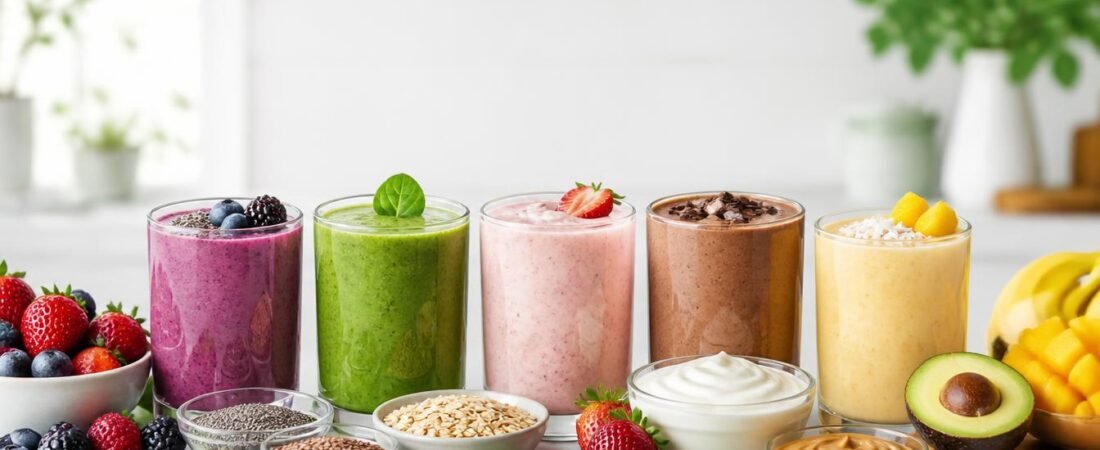
You’ve probably already used smoothies as a quick breakfast or snack, but a drink that looks healthy can still become surprisingly high in calories and added sugar. In this guide, you’ll learn how to build balanced smoothies and get 10 practical recipes focused on protein, fiber, whole foods, and sensible portions.
Key Takeaways
- Weight-loss-friendly smoothies combine nutrient-dense ingredients with portions that fit an individual’s overall eating pattern.
- Protein and fiber can make smoothies more satisfying and help them fit into a balanced diet.
- Whole fruits, vegetables, Greek yogurt, seeds, oats, and unsweetened liquids are useful smoothie foundations.
- Portion control matters because nut butter, sweeteners, juice, and large amounts of oats can quickly increase calories.
- Homemade smoothies make it easier to control ingredients, serving sizes, added sugars, and protein content.
- Smoothies can serve as breakfast or snacks, depending on personal calorie and nutrition needs.
- Sustainable weight management depends on overall eating habits and activity rather than one specific smoothie.
What Are Smoothies for Weight Loss?
A weight-loss-friendly smoothie is a portion-controlled drink that combines nutrient-dense ingredients such as protein-rich foods, fruits or vegetables, and fiber-rich ingredients within an overall balanced eating pattern.
First, the goal is not to create a magical fat-burning drink. Instead, a useful smoothie can provide nutrients and help you build a convenient meal or snack that fits your overall calorie needs.
For example, a smoothie made with Greek yogurt, berries, spinach, chia seeds, and unsweetened milk provides protein, fiber, fruit, vegetables, and liquid without requiring fruit juice or added sugar.
Moreover, the CDC recommends emphasizing nutrient-dense foods such as vegetables, fruits, protein foods, dairy without added sugars, healthy fats, and whole grains as part of healthy eating for weight management. — Source: CDC, 2026
What Makes a Smoothie Good for Weight Loss?
A good smoothie for weight loss contains enough protein and fiber to be satisfying while keeping calorie-dense ingredients appropriately portioned.
First, think of your smoothie as a meal or snack rather than an unlimited beverage. For example, adding two tablespoons of nut butter, sweetened yogurt, fruit juice, honey, and a large banana can turn a simple smoothie into a much more calorie-dense drink.
In addition, a balanced smoothie usually contains:
- Protein: Greek yogurt, cottage cheese, milk, tofu, or protein powder
- Fiber-rich produce: berries, spinach, apples, pears, or vegetables
- Healthy fats: chia seeds, flaxseed, or a measured amount of nut butter
- Liquid: unsweetened milk or a suitable milk alternative
- Flavor: cinnamon, cocoa, vanilla, ginger, mint, or coffee
Why Do Weight-Loss Smoothies Matter?
Weight-loss smoothies matter because they can make nutritious meals or snacks more convenient while helping you control ingredients and portions.
First, convenience can make healthy eating easier to repeat. For example, frozen berries, spinach, Greek yogurt, and measured seeds can be prepared in advance so breakfast takes only a few minutes.
Second, protein can increase fullness, although the effect varies between people and depends on the overall diet. A systematic review and meta-analysis of randomized trials found that acute protein intake reduced hunger and increased fullness, while the authors noted that longer-term evidence was less conclusive. — Source: PubMed, 2020
Third, fiber-rich foods can contribute to satiety and digestive health. A 2026 systematic review found that higher cereal-fiber intake was associated with favorable effects on measures of satiety, although effects on subsequent food intake were more limited. — Source: Nutrition Reviews, 2026
How Do You Build a Balanced Weight-Loss Smoothie?
Building a filling smoothie involves combining a protein source with fiber-rich produce, an appropriate portion of healthy fat, and an unsweetened liquid base.
Step 1: Choose a Protein Source
First, choose one primary protein source to make the smoothie more substantial. For example, plain Greek yogurt can provide protein and a creamy texture without requiring much added sugar.
Good choices include:
- Plain Greek yogurt
- Cottage cheese
- Unsweetened milk
- Soy milk
- Silken tofu
- Protein powder
Step 2: Add Fruit or Vegetables
Next, add whole fruit, vegetables, or both. For example, frozen berries provide flavor and color while spinach can increase the vegetable content without dominating the taste.
The CDC specifically recommends choosing whole fruits over fruit juice because whole fruit retains fiber and can help you feel fuller. — Source: CDC, 2026
Step 3: Add a Small Amount of Healthy Fat
Then, add a measured amount of chia seeds, flaxseed, avocado, or nut butter. For example, one tablespoon of peanut butter can add flavor and fat without the larger calorie contribution of several unmeasured spoonfuls.
Finally, use enough unsweetened liquid to achieve your preferred consistency. Water, unsweetened almond milk, unsweetened soy milk, or regular milk can work depending on your nutritional needs.
A balanced smoothie can be one part of a healthy weight-management routine. If you’re also exploring weight-management products, you can learn more about Nutravllie Volca Burn and decide whether it fits your personal goals.
What Are the Best Smoothie Recipes for Weight Loss?
The best smoothie recipes for weight loss are balanced combinations that provide useful nutrients without relying on excessive added sugar or oversized portions.
The following recipes are designed as practical starting points. Nutrition values are approximate and vary by brand, ingredient size, and preparation method.
| Smoothie | Approx. Calories | Protein | Best For |
|---|---|---|---|
| Berry Protein | 300–350 | 25–30 g | Breakfast |
| Green Spinach | 250–300 | 20–25 g | Light breakfast |
| Strawberry Yogurt | 280–330 | 20–25 g | Breakfast/snack |
| Banana Peanut Butter | 350–400 | 20–25 g | Post-workout |
| Chocolate Avocado | 300–350 | 20–25 g | Chocolate craving |
| Cucumber Mint | 150–220 | 10–15 g | Light snack |
| Tropical Protein | 300–350 | 25–30 g | Breakfast |
| Apple Cinnamon | 280–330 | 20–25 g | Fall-inspired breakfast |
| Coffee Protein | 250–320 | 25–30 g | Morning meal |
| Berry Chia | 280–330 | 15–25 g | High-fiber snack |
1. Berry Protein Smoothie
Berry protein smoothie is a high-protein, fruit-based option that combines berries, yogurt, and an unsweetened liquid.
First, blend 1 cup frozen mixed berries, ¾ cup plain Greek yogurt, ½ cup unsweetened milk, 1 tablespoon chia seeds, and ice until smooth.
Next, adjust the liquid gradually rather than pouring in a large amount at once. The berries provide natural sweetness, while Greek yogurt and chia seeds make the drink more substantial.
2. Green Spinach Smoothie
A green spinach smoothie combines leafy greens with fruit and protein for a nutrient-dense breakfast or snack.
First, blend 1 cup spinach, ½ banana, ½ cup frozen berries, ¾ cup unsweetened soy milk, and ½ cup Greek yogurt.
Then add cinnamon or fresh ginger for extra flavor. Spinach provides vegetables while berries and banana provide sweetness without requiring syrup or juice.
3. Strawberry Greek Yogurt Smoothie
A strawberry Greek yogurt smoothie provides creamy texture and protein with simple ingredients.
First, combine 1 cup strawberries, ¾ cup plain Greek yogurt, ½ cup unsweetened milk, 1 tablespoon ground flaxseed, and ice.
Moreover, using plain yogurt gives you greater control over added sugar than choosing a heavily sweetened flavored yogurt.
4. Banana Peanut Butter Smoothie
A banana peanut butter smoothie is a satisfying option when its calorie-dense ingredients are measured carefully.
First, blend ½ banana, 1 tablespoon natural peanut butter, ¾ cup unsweetened milk, ½ cup Greek yogurt, cinnamon, and ice.
That being said, peanut butter is calorie-dense, so measuring the serving is important. This recipe works especially well for people who enjoy a richer smoothie but still want portion awareness.
5. Chocolate Avocado Protein Smoothie
A chocolate avocado protein smoothie uses cocoa and a small amount of avocado to create a creamy dessert-style drink.
First, blend ¼ avocado, 1 tablespoon unsweetened cocoa powder, ¾ cup unsweetened soy milk, ½ cup Greek yogurt, ice, and a small amount of vanilla.
Next, adjust sweetness with berries or a suitable no-added-sugar option if needed. The avocado provides creaminess, so you do not need a large amount.
6. Cucumber-Mint Smoothie
A cucumber-mint smoothie is a lighter option built around hydrating vegetables and fresh flavor.
First, blend ½ cucumber, ½ cup Greek yogurt, ½ cup water, a handful of mint leaves, ½ cup berries, and ice.
For example, this smoothie can work better as a snack than a full meal because it contains fewer calories and may provide less protein than the breakfast recipes.
7. Tropical Protein Smoothie
A tropical protein smoothie combines pineapple and mango with protein-rich ingredients for a naturally sweet breakfast.
First, blend ½ cup pineapple, ½ cup mango, ¾ cup Greek yogurt, ½ cup unsweetened milk, and 1 tablespoon chia seeds.
However, tropical fruit can add carbohydrates quickly when portions become large. Keeping the fruit measured helps maintain a predictable serving.
8. Apple Cinnamon Smoothie
An apple cinnamon smoothie combines whole apple, Greek yogurt, oats, and cinnamon for a filling breakfast-style drink.
First, blend ½ apple, ½ cup Greek yogurt, ¼ cup rolled oats, ¾ cup unsweetened milk, cinnamon, and ice.
Moreover, oats add carbohydrate and fiber while Greek yogurt contributes protein. If the smoothie becomes too thick, add a small amount of additional liquid.
9. Coffee Protein Smoothie
A coffee protein smoothie combines chilled coffee with protein-rich ingredients for a convenient morning meal.
First, blend ½ cup chilled brewed coffee, ¾ cup milk or soy milk, ½ cup Greek yogurt, ½ banana, ice, and cinnamon.
Next, avoid turning the recipe into a dessert by limiting flavored syrups, whipped cream, and large amounts of sweetened creamer.
10. Mixed-Berry Chia Smoothie
A mixed-berry chia smoothie combines berries, yogurt, and chia seeds for a fiber-focused option.
First, blend 1 cup frozen mixed berries, ¾ cup Greek yogurt, ½ cup unsweetened milk, and 1 tablespoon chia seeds.
Then let the smoothie sit for several minutes if you prefer a thicker consistency. Chia seeds can absorb liquid and change the texture considerably.
What Are the Best High-Protein Smoothies for Weight Loss?
High-protein smoothies for weight loss typically use Greek yogurt, milk, soy milk, tofu, cottage cheese, or protein powder as their main protein source.
First, the easiest high-protein choices from the recipes above are the berry protein, tropical protein, coffee protein, and strawberry Greek yogurt smoothies.
For example, adding Greek yogurt instead of fruit juice changes the nutritional structure of a smoothie by contributing protein and creating a creamier texture.
Moreover, protein should be considered within your total daily diet rather than treated as a magic weight-loss ingredient. A large systematic review of protein interventions found a moderate beneficial effect on body-weight management, but results varied between studies. — Source: Nutrition Reviews/PMC, 2021
What Are the Best Low-Calorie Smoothies for Weight Loss?
Low-calorie smoothies for weight loss use smaller portions of calorie-dense ingredients while emphasizing vegetables, fruit, protein, and unsweetened liquids.
First, the cucumber-mint and green spinach recipes are useful starting points when you want a lighter smoothie. For example, using water or unsweetened milk instead of juice can reduce the drink’s calorie contribution.
At the same time, “low calorie” does not automatically mean “better.” A smoothie that is too small or low in protein may leave you hungry soon afterward.
How Much Fruit Should You Put in a Weight-Loss Smoothie?
A practical starting point is about 1 to 1½ cups of whole fruit per smoothie, adjusted according to your calorie needs and the rest of the ingredients.
First, remember that fruit is nutritious and does not need to be eliminated for weight management. For example, berries can provide sweetness, fiber, and micronutrients while working well with Greek yogurt and seeds.
However, using multiple bananas, mangoes, dates, fruit juice, and sweetened yogurt together can create a much larger calorie load.
The CDC notes that fruits and vegetables can provide fiber and help with fullness while being relatively low in calories, but it also recommends choosing options without added sugar or syrup. — Source: CDC, 2026
Are Smoothies Better for Weight Loss Than Solid Food?
Smoothies are not automatically better for weight loss than solid food because the overall ingredients, calories, portion size, and eating pattern matter more than whether food is blended.
First, blending can make nutritious foods convenient, but liquid meals may not be equally filling for everyone. For example, one person may feel satisfied after a Greek yogurt and berry smoothie while another may prefer eggs, vegetables, and whole-grain toast.
Therefore, use smoothies because they are practical for you, not because they are inherently superior to solid meals.
How Can You Make a Smoothie More Filling?
You can make a smoothie more filling by increasing protein and fiber while controlling calorie-dense ingredients.
First, add a meaningful protein source such as Greek yogurt, soy milk, tofu, or protein powder. Second, include fiber-rich ingredients such as berries, chia seeds, flaxseed, oats, vegetables, or whole fruit.
Moreover, fiber can support fullness, although its effects differ depending on the type and amount. A systematic review of 107 fiber treatments found that 39% significantly reduced subjective appetite ratings and 22% reduced food or energy intake compared with controls. — Source: PubMed, 2013
Simple Filling Formula
Use this simple structure:
Protein + whole produce + fiber-rich addition + unsweetened liquid + optional healthy fat
For example:
Greek yogurt + berries + chia seeds + unsweetened milk + cinnamon
This structure gives you a repeatable method rather than forcing you to follow one recipe every day.
What Ingredients Should You Avoid or Limit in Weight-Loss Smoothies?
Weight-loss smoothies do not require banning specific foods, but calorie-dense and sugar-heavy additions are worth limiting when they make portions difficult to control.
First, watch the amount of fruit juice, honey, syrups, sweetened yogurt, large portions of nut butter, full-sugar creamers, and multiple calorie-dense toppings.
For example, replacing fruit juice with water or unsweetened milk can preserve the smoothie format while avoiding a concentrated liquid sugar source.
Second, remember that healthy ingredients can still contribute substantial calories. One tablespoon of nut butter can be useful, but several unmeasured spoonfuls can significantly change the smoothie.
The CDC recommends limiting added sugars and emphasizing nutrient-dense foods within daily calorie needs. — Source: CDC, 2026
What Tools and Ingredients Make Smoothie Preparation Easier?
The most useful smoothie tools are a reliable blender, measuring cups or a food scale, reusable containers, and freezer-safe ingredient storage.
First, keep several staple ingredients available:
- Frozen berries
- Frozen spinach
- Plain Greek yogurt
- Unsweetened milk or soy milk
- Chia seeds
- Ground flaxseed
- Rolled oats
- Natural nut butter
- Cinnamon
- Unsweetened cocoa
- Protein powder, if appropriate for your diet
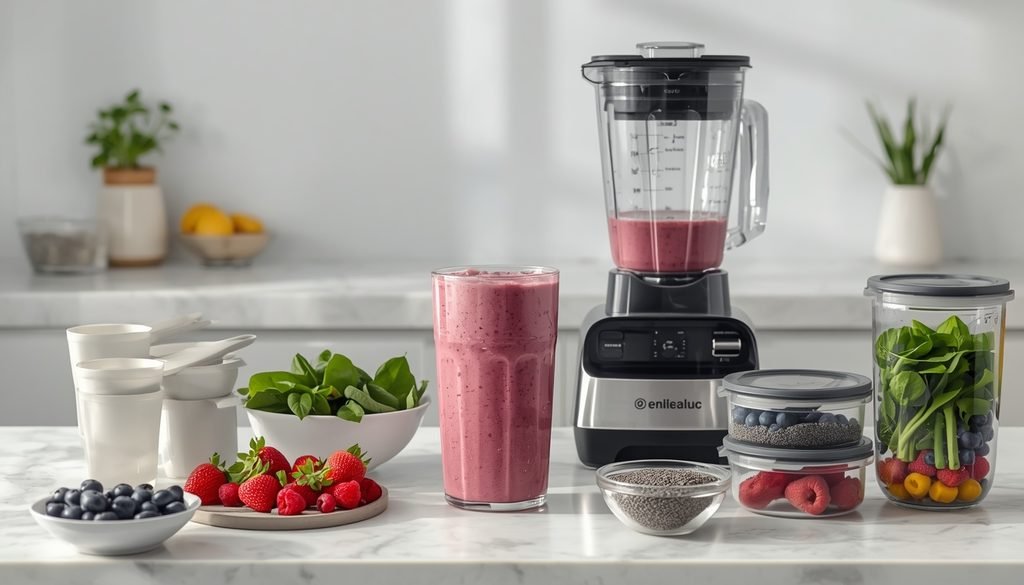
Next, portion frozen fruit and vegetables into individual bags before freezing. For example, prepare five bags containing fruit and spinach on Sunday, then add yogurt, liquid, and seeds when blending.
Custom Diagram Suggestion
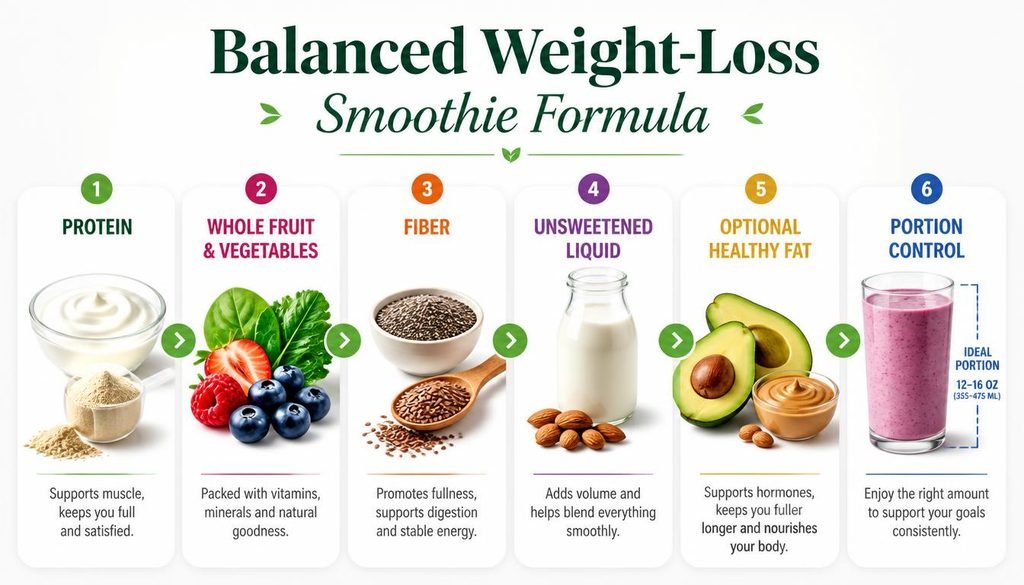
This diagram can visually reinforce the recipe-building formula and make the article easier to scan.
Can You Drink a Smoothie Every Day for Weight Loss?
You can drink a smoothie every day for weight management if the smoothie fits your nutritional needs, portion size, and overall eating pattern.
First, variety still matters. For example, rotate berries, apples, spinach, cucumber, pineapple, and other produce rather than relying on one recipe every day.
Second, use the smoothie according to your routine. A protein-rich smoothie can replace breakfast for some people, while a smaller smoothie may work better as an afternoon snack.
The CDC emphasizes that healthy weight management involves nutrition, physical activity, sleep, and other lifestyle factors rather than one isolated food. — Source: CDC, 2025
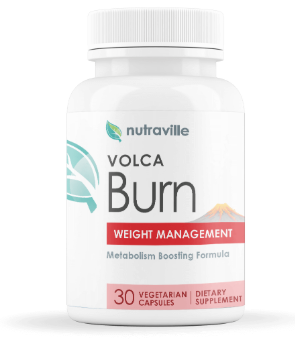
Consistency matters when working toward healthy weight management. Along with nutritious meals and regular activity, some people choose to explore additional weight-management products such as Nutravllie Volca Burn.
What’s Next: How Should You Add Smoothies to a Weight-Loss Routine?
The simplest way to add smoothies to a weight-loss routine is to choose one balanced recipe, control the serving, and repeat it consistently before adding more variety.
First, try this simple weekly rotation:
- Monday: Berry protein smoothie
- Tuesday: Green spinach smoothie
- Wednesday: Strawberry Greek yogurt smoothie
- Thursday: Coffee protein smoothie
- Friday: Mixed-berry chia smoothie
- Saturday: Apple cinnamon smoothie
- Sunday: Tropical protein smoothie
Next, prepare frozen fruit and vegetables ahead of time. Keep protein sources refrigerated and measure calorie-dense ingredients such as nut butter and seeds.
Finally, pay attention to hunger and energy levels. If a smoothie leaves you hungry quickly, increase its protein or fiber rather than automatically making the portion much larger.
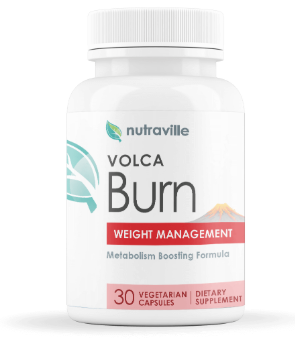
Looking for additional options to support your weight-management routine? You can check the ingredients, details, and usage information for Nutravllie Volca Burn before deciding if it’s right for you.
Conclusion
The best smoothie recipes for weight loss are balanced, portion-conscious recipes that make healthy eating easier rather than drinks that supposedly burn fat.
First, prioritize protein, whole fruits or vegetables, fiber-rich ingredients, and unsweetened liquids. Second, measure calorie-dense ingredients such as nut butter, oats, seeds, and sweeteners.
Moreover, a smoothie can support a weight-management goal when its ingredients, portion size, and total calories fit the person’s overall dietary needs. Sustainable progress comes from consistent eating habits, activity, sleep, and realistic expectations—not one special recipe.
If you’re starting today, choose one recipe from this guide, prepare the ingredients, and make it part of a routine you can realistically maintain.
Written by myserioicom Editorial Team — Health and wellness content team focused on practical, evidence-aware nutrition information.
Reviewed by Nutrition reviewer information was not provided in the supplied brief.
Disclaimer: This article was initially drafted using AI assistance. However, the content should undergo human editorial review, nutrition fact-checking, and ingredient-level verification before publication to ensure accuracy.