
Table of Contents
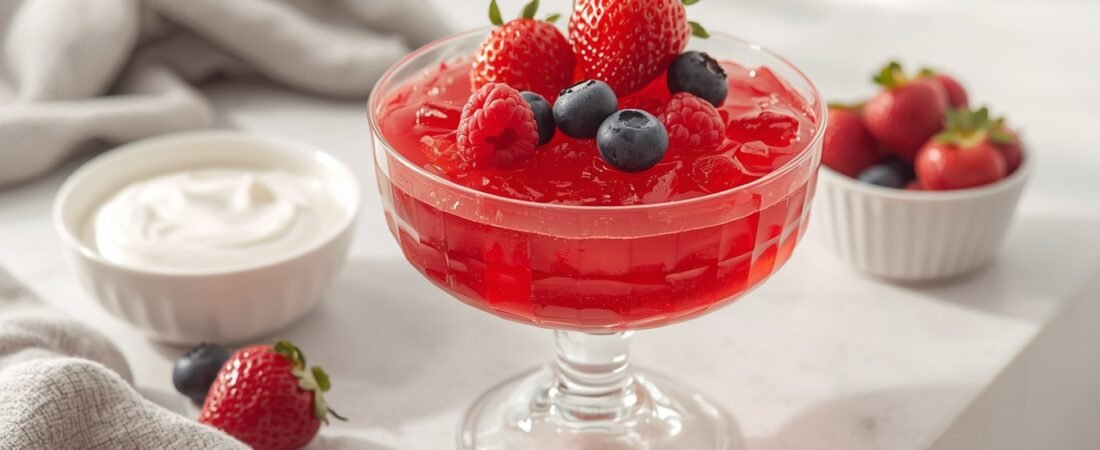
You’ve probably already looked for lighter desserts that can satisfy a sweet craving without adding too many calories. The gap is that gelatin itself does not burn body fat, so the recipe only makes sense for weight management when its portions and ingredients fit your overall eating pattern. In this guide, you’ll learn how to make a simple gelatin weight loss recipe, understand its nutrition, and use it realistically as part of a balanced diet.
Key Takeaways
- Gelatin weight loss recipes are usually portion-controlled snacks or desserts designed to provide a relatively low-calorie option.
- Gelatin provides protein, but it does not independently burn body fat or guarantee weight loss.
- Portion-controlled gelatin can replace some higher-calorie desserts and potentially reduce overall calorie intake.
- Greek yogurt and fruit can make a gelatin snack more substantial and nutritionally balanced.
- Sustainable weight loss depends on overall energy balance, dietary quality, physical activity, and long-term habits.
- Gelatin is not nutritionally complete, so it should complement meals rather than replace them.
- Homemade gelatin desserts give you better control over sugar, ingredients, and serving size.
What Is a Gelatin Weight Loss Recipe?
A gelatin weight loss recipe is a portion-controlled gelatin-based snack or dessert designed to provide a relatively low-calorie option within an overall weight-management diet. The idea is not that gelatin melts fat, but that a carefully prepared dessert can help you enjoy something sweet while keeping calories and portions manageable.
First, gelatin is a food ingredient commonly used as a thickener, stabilizer, and texturizer in foods such as desserts and puddings. The FDA lists gelatin among ingredients used for these food functions.
For example, unflavored dry gelatin contains protein but virtually no carbohydrate, according to USDA-linked nutrition data. About 100 grams of dry gelatin contains approximately 335 calories and 85.6 grams of protein, although a normal recipe uses far less than this amount. — Source: USDA FoodData Central data, accessed 2026.
Moreover, a gelatin dessert for weight loss usually means a recipe that controls added sugar and serving size. You can make a simple fruit-flavored version or add Greek yogurt for a creamier, more filling snack.
Affiliate Disclosure: This article contains affiliate links. If you purchase a product through one of these links, we may earn a commission at no additional cost to you. We only recommend products that may be relevant to our readers. Please do your own research before making a purchase.
Why Can a Gelatin-Based Snack Matter for Weight Management?
A gelatin-based snack can matter for weight management when it provides a lower-calorie alternative to a higher-calorie dessert and fits your overall calorie intake. The main advantage is the structure of the eating pattern, not a fat-burning effect from gelatin.
First, calorie control matters because body weight is influenced by the relationship between energy consumed and energy used. The CDC states that people can gain weight when they consume more calories than they use and recommends combining healthy eating patterns with physical activity for weight management. — Source: CDC, 2026.
For example, replacing a large, calorie-dense dessert with a small homemade gelatin cup may reduce the calories consumed at that eating occasion. That substitution can be useful if it helps you maintain an appropriate calorie intake without making your diet feel overly restrictive.
Second, protein can influence fullness, although gelatin should not be treated as a complete high-protein meal. A systematic review found that higher protein intake may increase fullness or satiety in people with overweight or obesity, although the researchers noted limitations in the evidence. — Source: European Journal of Nutrition, 2020.
For example, adding Greek yogurt to gelatin gives the snack more protein and nutrients than plain gelatin alone.
How Do You Make a Simple Gelatin Weight Loss Recipe?
A simple gelatin weight loss recipe combines unflavored gelatin, unsweetened liquid, fruit, and optional Greek yogurt to create a portion-controlled dessert. This version makes four servings and allows you to control the sweetness and calories.
Simple Greek Yogurt Fruit Gelatin Recipe
Prep time: 10 minutes
Chill time: 3–4 hours
Servings: 4
Texture: Soft and creamy
Estimated calories: Approximately 70–100 calories per serving, depending on yogurt, fruit, and sweetener used.
Ingredients
- 1 tablespoon unflavored gelatin powder
- ½ cup cold water
- ½ cup hot water
- 1 cup plain nonfat Greek yogurt
- ½ cup fresh strawberries or raspberries, finely chopped
- ½ teaspoon vanilla extract
- Optional: zero-calorie sweetener to taste
- Optional: ½ teaspoon lemon juice
How to Prepare It
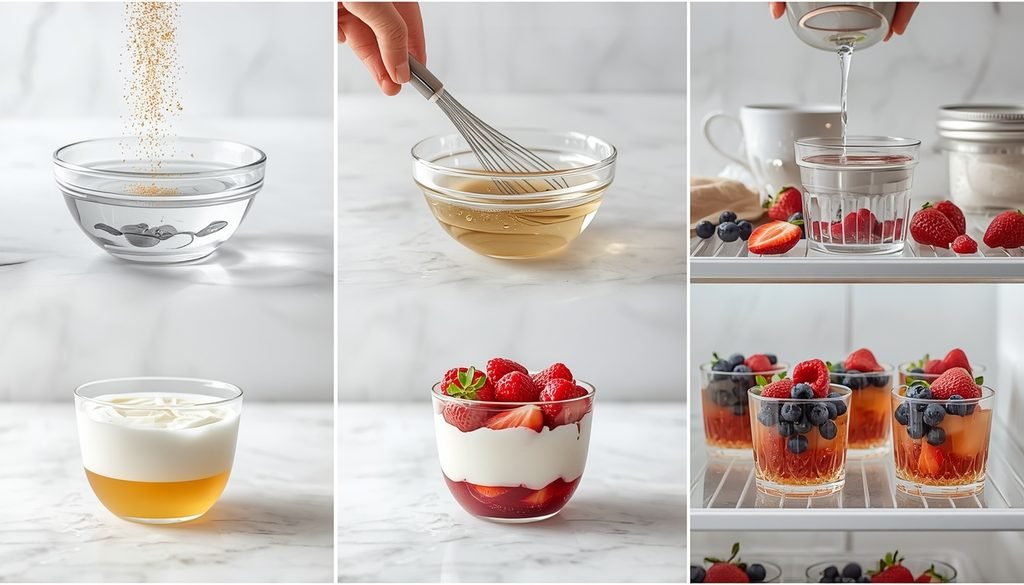
- First, bloom the gelatin. Sprinkle the gelatin over ½ cup of cold water and allow it to sit for about 5 minutes.
- Next, dissolve the gelatin. Add ½ cup hot water and stir until the gelatin is completely dissolved.
- Then, cool the mixture slightly. Let it sit for several minutes so it is warm rather than extremely hot.
- After that, add the yogurt. Whisk in the Greek yogurt, vanilla, and optional lemon juice until smooth.
- Next, add the fruit. Fold the chopped berries gently into the mixture.
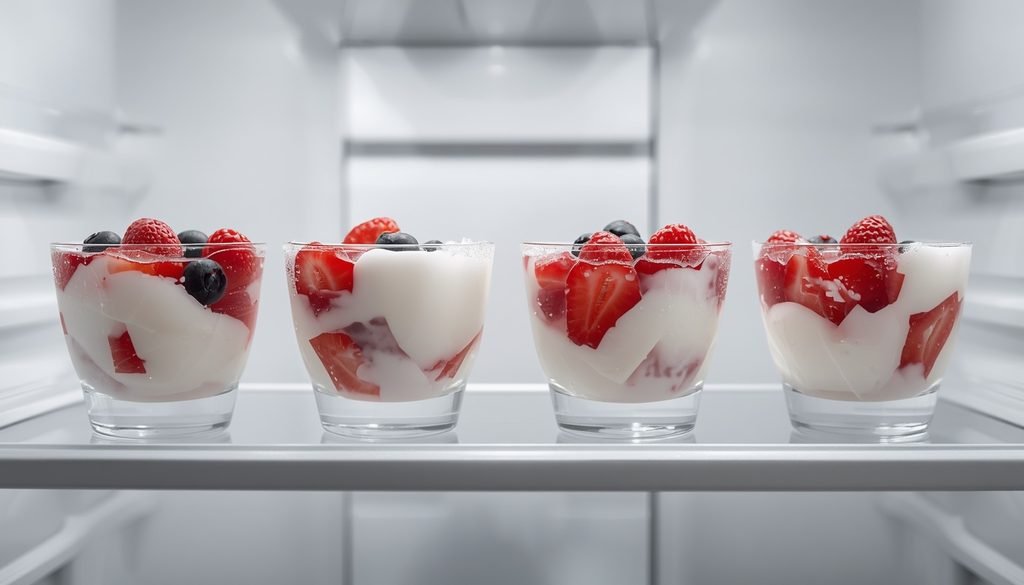
- Finally, portion and chill. Divide the mixture among four small containers and refrigerate for 3–4 hours, or until firm.
For example, using plain nonfat Greek yogurt and berries keeps the recipe relatively light while adding more nutritional value than a gelatin-only dessert.
Important: Nutrition values are estimates because yogurt brands, fruit amounts, sweeteners, and gelatin products differ. Check your ingredient labels when you need precise calorie information.
What Ingredients Should You Use in a Healthy Gelatin Recipe?
The best ingredients for a healthy gelatin recipe are simple, portion-controlled ingredients that add flavor or nutrients without unnecessarily increasing calories.
First, choose unflavored gelatin when you want maximum control over the recipe. It allows you to select your own fruit, yogurt, flavoring, and sweetener rather than depending on a pre-sweetened dessert mix.
Second, choose nutrient-dense additions such as:
- Plain Greek yogurt
- Fresh strawberries
- Raspberries
- Blueberries
- Chopped peaches
- Unsweetened almond milk
- Low-fat milk
- Lemon or lime juice
- Vanilla extract
- Cinnamon
Moreover, fruit can provide more nutritional value than simply adding sugar or syrup. The CDC recommends eating patterns that include vegetables, fruits, protein, whole grains, and other nutrient-dense foods. — Source: CDC, 2026.
Is Gelatin High in Protein and Low in Calories?
Gelatin is protein-rich by weight in its dry form, but the amount used in a typical serving is much smaller than 100 grams. USDA-linked data lists dry, unsweetened gelatin at approximately 335 calories and 85.6 grams of protein per 100 grams. — Source: USDA FoodData Central data, accessed 2026.
For example, one tablespoon of gelatin powder contributes substantially less than the 100-gram reference amount, so you should calculate the finished recipe rather than assume that a gelatin dessert is automatically high in protein.
At the same time, protein quantity is only one part of nutritional quality. Plain gelatin does not provide the broad range of nutrients found in foods such as eggs, dairy, legumes, fish, meat, nuts, seeds, fruits, and vegetables.
Can Gelatin Help You Feel Full Between Meals?
Gelatin may contribute to a filling snack, but there is not strong evidence that gelatin itself produces a special appetite-control effect. The more useful strategy is to build a snack around adequate protein, appropriate calories, and foods that fit your personal hunger needs.
First, research on dietary protein suggests that higher-protein diets can increase feelings of fullness in some circumstances. A systematic review of adults with overweight or obesity found enhanced fullness or satiety in six of ten included studies, although the evidence quality was limited. — Source: European Journal of Nutrition, 2020.
For example, a gelatin cup containing Greek yogurt and berries is more substantial than plain flavored gelatin because it combines protein with fruit.
What Are the Best Gelatin Recipes for Weight Loss?
The best gelatin recipes for weight loss are recipes that control portions and added calories while fitting comfortably into your overall diet.
| Recipe variation | Main ingredients | Best use |
|---|---|---|
| Sugar-free fruit gelatin | Gelatin, water, fruit | Light dessert |
| Greek-yogurt gelatin | Gelatin, Greek yogurt, berries | More substantial snack |
| Protein gelatin | Gelatin, Greek yogurt or protein powder | Higher-protein option |
| Fruit gelatin cups | Gelatin, berries, citrus | Portable snack |
Is Sugar-Free Gelatin Better for Weight Loss?
Sugar-free gelatin can be useful for weight management when it reduces added sugar and total calories compared with a higher-calorie dessert. However, “sugar-free” does not automatically mean nutritious or better in every situation.
For example, a sugar-free gelatin cup can be a convenient dessert, but adding Greek yogurt and fruit may provide more protein and nutrients.
Can You Make a High-Protein Gelatin Recipe?
A high-protein gelatin recipe can be made by combining gelatin with Greek yogurt or another suitable protein-rich ingredient. Protein powder can also be used, but the powder should be mixed carefully to avoid clumps and an unpleasant texture.
For example, you can prepare the basic recipe above and increase the Greek yogurt portion while adjusting the liquid to maintain the desired texture.
Affiliate Disclosure: This article contains affiliate links. If you purchase a product through one of these links, we may earn a commission at no additional cost to you. We only recommend products that may be relevant to our readers. Please do your own research before making a purchase.
How Many Calories Are in a Homemade Gelatin Dessert?
A homemade gelatin dessert can contain roughly 50–150 calories per serving, but the actual amount depends heavily on the recipe and ingredients.
First, plain gelatin contributes calories from protein, while fruit, yogurt, milk, sweeteners, and toppings can change the final number. For example, a gelatin cup made mostly with water and a low-calorie sweetener will usually contain fewer calories than one made with full-fat dairy, sugar, and toppings.
Second, the serving size matters. A recipe containing 400 calories divided into four portions provides approximately 100 calories per serving, while eating the entire recipe provides all 400 calories.
Can You Eat Gelatin Every Day While Trying to Lose Weight?
You can generally include a gelatin dessert regularly if the ingredients fit your nutritional needs and the food does not displace more nutritious foods. Eating gelatin every day is not necessary for weight loss, however.
First, variety is important because healthy eating patterns contain a range of nutrient-dense foods. The CDC specifically recommends variety rather than eliminating broad food groups. — Source: CDC, 2026.
For example, you might have a gelatin snack on one day and choose Greek yogurt, fruit, nuts, or another nutrient-dense snack on another day.
What Can You Add to Gelatin to Make It More Filling?
You can make gelatin more filling by combining it with protein- and fiber-containing foods rather than relying on gelatin alone.
Consider adding:
- Plain Greek yogurt for protein
- Berries for fruit and fiber
- Chia seeds in an appropriate amount
- Fresh fruit pieces
- A small serving of nuts on the side
- A high-protein yogurt layer
Moreover, adding fiber-rich foods can make a snack more nutritionally balanced. The key is to consider the complete snack rather than assuming gelatin itself provides everything needed.
What Are the Limitations of Using Gelatin for Weight Loss?
The main limitation of gelatin for weight loss is that it cannot replace a balanced diet or create weight loss by itself. Gelatin is an ingredient, not a weight-loss treatment.
First, gelatin does not directly burn body fat. Gelatin does not directly burn body fat; its potential usefulness for weight management comes from how a portion-controlled gelatin snack fits into overall calorie intake and dietary habits.
Second, gelatin is not nutritionally complete. A diet built primarily around gelatin would lack the variety of nutrients supplied by fruits, vegetables, whole grains, dairy or alternatives, legumes, nuts, seeds, and other protein foods.
For example, replacing lunch with gelatin because it is low in calories could leave you hungry and make it harder to meet your nutritional needs.
Third, sustainable weight management involves multiple behaviors. The CDC identifies healthy eating, physical activity, adequate sleep, and stress management as components of healthy weight management. — Source: CDC, 2025.
The CDC also notes that gradual weight loss of about 1–2 pounds per week is more likely to be maintained than faster weight loss for many people. — Source: CDC, 2025.
How Should You Use Gelatin in a Weight-Loss Diet?
Gelatin works best in a weight-loss diet when you use it as a planned snack or dessert rather than a meal replacement.
First, choose a serving that fits your calorie needs. A small ½- to 1-cup dessert can be easier to manage than eating directly from a large container.
Second, pair gelatin with nutritious foods when hunger is stronger. For example, Greek yogurt gelatin with berries can work better as an afternoon snack than plain gelatin alone.
Third, focus on your overall eating pattern. The CDC recommends at least 150 minutes of moderate-intensity aerobic activity per week for adults, along with muscle-strengthening activity on at least two days per week. — Source: CDC, 2026.
Gelatin Weight Loss Recipe: Practical Serving and Storage Tips
A practical gelatin snack should be prepared in individual containers, refrigerated promptly, and consumed according to the ingredients’ storage requirements.
First, divide the recipe immediately into four portions. This makes portion control easier because you do not need to estimate your serving later.
Second, keep homemade gelatin refrigerated in covered containers and follow the storage guidance for the perishable ingredients you use, especially if the recipe contains Greek yogurt or milk.
Third, label containers with the preparation date. For example, preparing four portions on Sunday can give you convenient snacks for the next few days while keeping portions consistent.
What’s Next: How to Add the Recipe to a Balanced Eating Plan
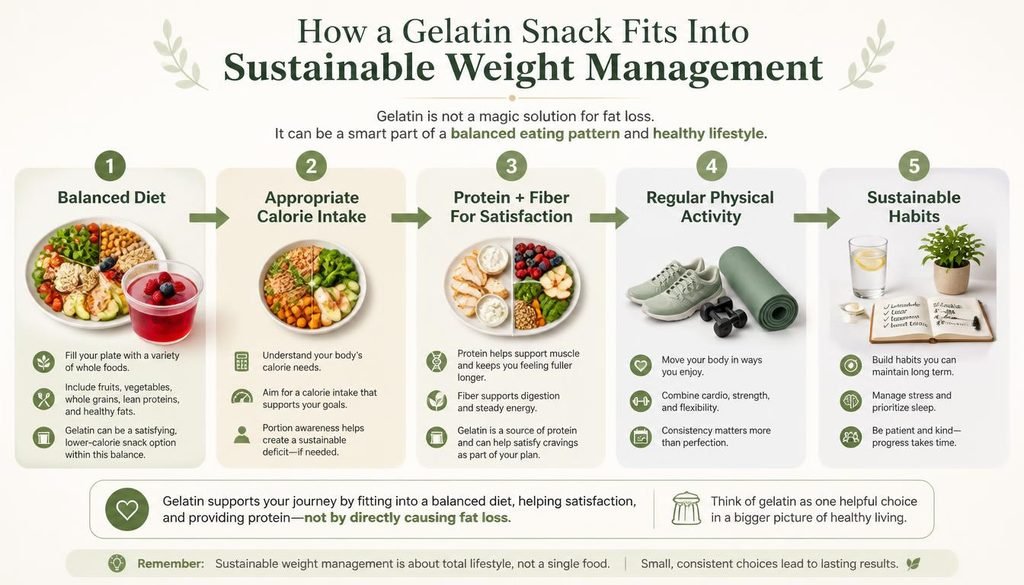
The next step is to treat the gelatin recipe as one small part of a balanced eating plan rather than the center of your weight-loss strategy.
First, prepare the recipe and divide it into four servings. Then decide when you will use it, such as after dinner when you usually want something sweet.
Second, build the rest of your diet around nutrient-dense foods. Include vegetables, fruits, protein sources, whole grains, healthy fats, and appropriate portions of dairy or alternatives.
Third, monitor how the snack affects your hunger. If a small gelatin cup leaves you hungry, add a nutrient-dense food rather than simply eating multiple servings of gelatin.
Fourth, combine food choices with regular movement. Adults are generally advised to get 150 minutes of moderate aerobic activity weekly plus at least two days of muscle-strengthening activity. — Source: CDC, 2026.
Affiliate Disclosure: This article contains affiliate links. If you purchase a product through one of these links, we may earn a commission at no additional cost to you. We only recommend products that may be relevant to our readers. Please do your own research before making a purchase.
Conclusion
Gelatin can be a useful ingredient for a simple, portion-controlled, low-calorie dessert, but it should not be presented as a fat-burning food. A balanced gelatin snack can combine gelatin with ingredients such as Greek yogurt or fruit to provide more nutrients and make the recipe more substantial.
Ultimately, sustainable weight loss depends on maintaining an appropriate overall energy balance rather than relying on a single food or recipe. The simplest way to make a lower-calorie gelatin dessert is to control added sugar, use an appropriate serving size, and choose nutrient-dense ingredients when additional foods are added.
If you enjoy the recipe, use it as one practical tool within a broader eating pattern that includes nutritious foods, adequate protein and fiber, regular physical activity, and realistic portions.
Written by myserioi.com Editorial Team — Health & Wellness Content Team
Reviewed by Human nutrition reviewer — Reviewer name and professional credentials were not provided in the supplied content brief.
Disclaimer: This article was initially drafted using AI assistance. However, the content has undergone thorough revisions, editing, and fact-checking by human editors and subject matter experts to ensure accuracy.